Focused arrival windows
Useful updates and clear arrival timing.
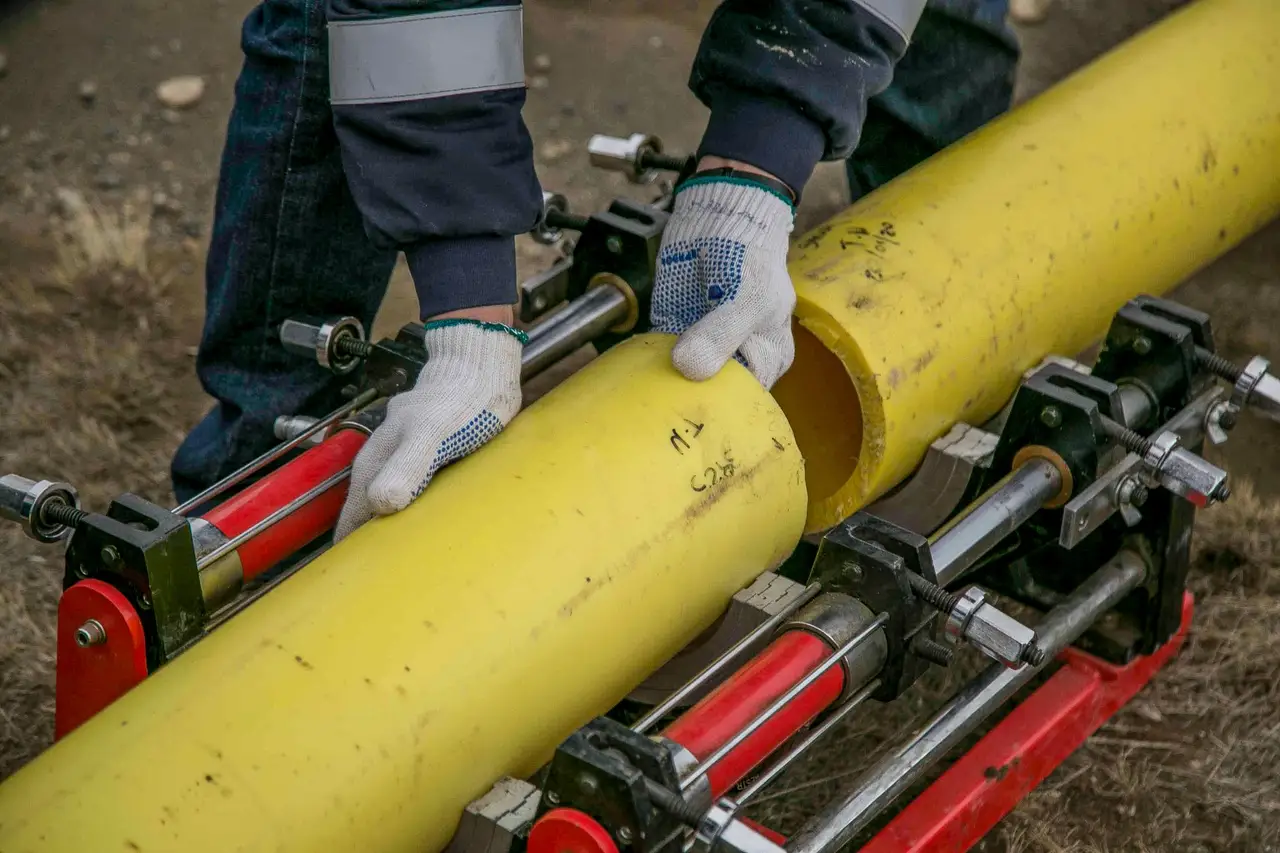
When water bills spike and you cannot find the source, tracer gas leak detection casper WY gives you a definitive answer. We inject a safe helium and hydrogen mix into your line, then track it with precision detectors to mark the exact leak point. Homeowners, property managers, and business owners across Natrona County call us because we locate leaks other methods miss.
Useful updates and clear arrival timing.
Review the approach and price before deciding.
Equipped vehicles and respectful cleanup.
Neighbors serving neighbors with follow-through.
Every tracer gas leak detection job includes the full detection process, from assessment to report. We do not charge extra for the basics. Here is what you get when you book with us.
We review your water bills, inspect accessible plumbing, and test pressure and flow to confirm an active leak. This step ensures we target the right line and do not waste time on a false alarm. It takes 20 to 30 minutes and is included in every job.
We isolate the suspect line, inject the helium and hydrogen mix, and walk the line with a calibrated detector. We mark the leak point and confirm it with a second pass. This is the core of the service and the reason you called us.
You get a written report with the leak location marked on a site map, plus photos of the detection points. This is useful for insurance claims, repair planning, and your own records. We email it to you before we leave.
We tell you what needs to be fixed and give you a same-day estimate if you want us to handle it. If you prefer another contractor, you can hand them our report. We do not pressure you either way.
After detection, we flush the line to remove any residual gas and verify your water is clean and safe. We also check for any secondary leaks or pressure issues while we are there. You get a complete picture of your system's health.
Share what is happening and receive a clear next step from the local team.
Tracer gas leak detection casper WY is a non-destructive diagnostic method that finds hidden pipeline leaks by introducing a harmless gas mixture into the line and tracking where it escapes. We pressurize the pipe with a tracer gas, usually a helium and hydrogen blend, then use sensitive detectors at ground level to map the leak path. It works on water lines, sewer laterals, and underground pipes where acoustic listening alone gives ambiguous results.
Casper's freeze-thaw cycles and aging infrastructure make hidden water leaks a year-round problem. From the older homes near Downtown Casper to the commercial corridors in the Old Yellowstone District, pipes shift, joints fail, and root intrusion creates pinhole leaks that waste thousands of gallons. If you have tried acoustic leak detection casper and still have not found the source, tracer gas testing casper WY is the next step. It is also the go-to method for slab leaks and deep underground lines.
We start by reviewing your water bills, listening to your description of the symptoms, and inspecting accessible areas. We check pressure gauges and flow meters to confirm there is an active leak. This step takes 20 to 30 minutes and helps us choose the right detection method for your pipe material and depth.
We isolate the suspect line from the rest of your plumbing so the tracer gas does not escape through fixtures. We cap off open ends and pressurize the section with air first to verify it holds. This ensures the gas goes only where the leak is. You will see us working at valve boxes and cleanouts.
We introduce a certified helium and hydrogen mix into the isolated line. The gas is non-toxic, non-flammable, and safe for potable water systems. We use regulated pressure so we do not stress aging pipes. Injection usually takes 15 to 20 minutes depending on line volume and length.
Our technician walks the line with a Sewerin or Gutermann tracer gas detector, sampling the soil at regular intervals. When the gas escapes through the leak, the detector reads a spike. We mark that spot and repeat the pass to confirm. This is where the precision comes from. We can detect leaks up to 10 feet deep.
We give you a written report with the leak location marked on a site map, photos of the detection points, and our recommendation for repair. If you want us to handle the fix, we provide a same-day estimate. Most repairs are scheduled within 24 to 48 hours after detection.
High-sensitivity detector that reads helium and hydrogen concentrations at the surface. It pinpoints the leak by measuring the spike in gas as we walk the line.
Used for injecting and regulating the tracer gas mix. It maintains safe pressure and ensures the gas reaches the leak without stressing the pipe.
A ground-level detector that helps us survey large areas quickly. It is ideal for commercial lots and long service lines where speed matters.
We use ground microphones and leak noise loggers to listen for escaping water. This complements tracer gas and helps confirm the leak location.
HWM and Primayer units compare sound signals from two sensors to calculate the leak point on metallic pipes. We deploy them when the pipe is audible but hard to pinpoint.
FLIR and Fluke cameras detect temperature differences from leaking water. We use them as a first pass to narrow the search area before tracer gas.
We measure system pressure and flow to confirm an active leak and monitor the line during testing. This data goes into your report.
We isolate the suspect line, inject a certified helium and hydrogen mix, and detect where it escapes. The gas is non-toxic, non-flammable, and safe for potable water. This method works on any pipe material and at depths up to 10 feet.
For metallic pipes, we use correlation leak detectors to compare sound signals and calculate the leak location. It is accurate within inches on pressurized lines. We often pair it with tracer gas for double confirmation.
We scan floors and walls with thermal cameras to find temperature anomalies caused by leaking water. This narrows the search area before we inject tracer gas. It is especially useful for slab leaks and radiant heating lines.
We use pressure gauges and flow meters to verify the leak and measure its severity. This data helps us choose the right detection method and gives you a baseline for post-repair verification.
We inject tracer gas into the line and detect where it surfaces through the slab. The gas finds the path even when sound is muffled by concrete and soil. You get a precise mark on the floor, so the repair is one small cut instead of exploratory demolition.
We isolate the line, inject gas, and walk the surface with detectors. We can cover large areas quickly and mark the leak without closing your business. A repair-ready report that your contractor or ours can use to fix the line with minimal disruption.
We use tracer gas to find where the lateral is broken or cracked. The gas escapes into the soil at the failure point, which we mark for repair. A targeted repair that fixes the root cause, not just the symptom. No more recurring backups.
We pressure-test your system, isolate the suspect section, and use tracer gas to locate the hidden leak. We check both interior and exterior lines. You know exactly where the leak is and what it will take to fix it. Your bill goes back to normal after repair.
Casper's climate and building stock create specific leak patterns. Freeze-thaw cycles from October through April stress pipes and open joints. Older neighborhoods like Downtown Casper have clay sewer laterals and galvanized water lines that corrode and crack. Newer areas may have PEX or copper, but root intrusion is still common. We adjust our tracer gas method based on soil type, pipe material, and depth. In winter, frozen ground can redirect gas migration, so we sample more points and use higher sensitivity settings. In summer, dry soil can let gas escape faster, which actually helps detection. We follow AWWA guidelines and Wyoming plumbing code for all work. Whether you need tracer gas leak detection in downtown casper or a commercial property in the Old Yellowstone District, we know how to read the local conditions and find your leak fast.
Historic buildings with original clay laterals and galvanized pipes. Leaks often occur at joint failures and root intrusion points.
Mix of commercial and residential. Older infrastructure with high traffic loads that stress underground lines.
Rocky soil and elevation changes affect gas migration. We adjust detection patterns for the terrain.
Newer construction with PEX lines. Leaks are less common but can occur at fittings and manifolds.
Ground movement stresses pipe joints and can create new leaks. We see a spike in calls after the first hard freeze and again during spring thaw.
Clay holds gas longer, so we sample more densely. Sandy areas let gas escape faster, which can make detection easier but requires careful mapping.
Saturated soil can block gas migration and mask the leak. We use higher gas pressure and more detection points to compensate.
Corroded pipes and failing joints are common. Tracer gas is often the only way to find leaks in these systems without digging up the whole line.
A homeowner had a $220 water bill and a warm spot on the floor. Two plumbers could not find the leak with acoustic tools. The slab was at risk of major demolition.
We injected tracer gas and marked the leak within 18 inches. The repair required one 2-foot by 2-foot cut. Water bill dropped to $65 the next month. No foundation damage.
Maintenance: We recommend an annual pressure test and a visual check of exposed pipes. Keep an eye on your water bill for any sudden spikes.
A restaurant in the Old Yellowstone District had recurring backups. Root intrusion was suspected but the exact break was unknown. Snaking only provided temporary relief.
Tracer gas testing located a cracked joint 12 feet from the cleanout. We repaired it with a flexible pipe liner. No backups in six months. The owner saved $3,000 in emergency plumbing calls.
Maintenance: Schedule a video pipe inspection every 18 months. Avoid planting trees within 10 feet of the lateral.
A property manager had a $400 monthly water bill on a small office building. No visible leak. The line ran under a parking lot. Acoustic detection was inconclusive.
We used tracer gas to find a pinhole leak in the copper service line. The repair was a single excavation. Water bill returned to $90 per month. The whole job took two days.
Maintenance: Install a pressure gauge on the service line and check it quarterly. Fix any pressure drops immediately.
Hidden leaks waste water, damage property, and drive up bills. Tracer gas finds them when other methods fail. Here are the most common problems we solve for Casper customers.
You pay hundreds extra each month while the leak erodes soil and undermines foundations. Ignoring it can lead to sinkholes or slab cracks that cost thousands to repair. We use tracer gas to find the hidden leak, mark it precisely, and give you a repair plan. Most customers see their water bill return to normal within one billing cycle after the fix.
Water seeps into your foundation, causing cracks, mold, and uneven floors. Acoustic tools often cannot pinpoint the spot because the concrete muffles the sound. Tracer gas travels through the leak path and surfaces at the exact break. We mark it on the slab, so your repair contractor cuts one small opening instead of demolishing the whole floor.
Roots crack pipes and create blockages that cause backups and sewage odors. You cannot see the damage, and snaking only clears a temporary path. We inject tracer gas into the sewer lateral and detect where it escapes into the soil. That tells us exactly where the root intrusion or broken joint is, so the repair is targeted and permanent.
A leak in your service line bleeds pressure before it reaches your fixtures. You get weak showers and slow faucets while water runs into the ground. Tracer gas testing for pipeline leaks casper WY isolates the break and confirms it with a pressure test. We locate the leak and restore your pressure with a code-correct repair.
$350 - $1,800 depending on scope
Typical 2026 pricing for tracer gas leak detection in Casper ranges from $350 to $850 for residential and $900 to $1,800 for commercial. The final price depends on line length, depth, access, and whether we need to isolate multiple sections. We give you a flat-rate quote before we start, so there are no surprises. Our affordable tracer gas leak detection casper WY service includes the full detection process, a written report, and a repair recommendation. If you decide to have us do the repair, we credit a portion of the detection fee toward the work.
Finding the leak is the hardest part. Once we mark it, the repair is straightforward. Our detection fee saves you from exploratory digging that can cost thousands. You pay for answers, not guesswork.
Longer lines and deeper pipes take more time to survey. A 100-foot service line at 6 feet deep costs more to test than a 30-foot line at 2 feet. We measure and quote based on actual conditions.
If the line runs under a slab, parking lot, or finished landscaping, we may need to use more detection points or specialized equipment. That adds time and cost. We explain the access plan before we begin.
Testing multiple lines or a whole-building system takes longer than a single line. We offer package pricing for property managers and commercial clients who need several lines tested at once.
Our 24/7 tracer gas leak detection casper service is available at a higher rate. If you call at 2 a.m. with water pouring into your yard, we dispatch a technician immediately. The emergency premium is 25 to 40 percent.
If you hire us for the repair, the cost depends on the pipe material, the extent of damage, and whether we need to replace a section. We provide a separate quote for the repair after detection.
Our technicians are trained on the latest tracer gas detection equipment from Sewerin, Gutermann, and SubSurface Instruments. We hold a Wyoming state plumbing license and follow AWWA guidelines for leak detection. We have worked on hundreds of lines across Casper, from 1920s clay sewer laterals to modern PEX water services. We know how Natrona County soil conditions affect gas migration and how to interpret readings in frozen or saturated ground. That local experience means fewer false positives and faster results for you.
We had a slab leak that two other companies could not find. Casper Leakage Fix Pros came out with tracer gas and marked it within 30 minutes. They dug one small hole and fixed it the next day. Our water bill dropped by $80 the first month. I wish I had called them first.
I manage six commercial buildings and had a mystery leak in one of the older ones. The tracer gas test was clean, fast, and the report was detailed enough for my insurance claim. They found a cracked joint under the parking lot. No guesswork, no drama. Highly recommend.
Our sewer line was backing up and we thought it was roots. Turned out to be a broken joint. The tracer gas test showed exactly where. They gave us a quote for the repair on the spot and had it done in two days. Fair price, no runaround. These guys know their stuff.
Most residential tracer gas leak detection jobs in Casper run $350 to $850 depending on line length, depth, and access. Commercial and multi-line tests start around $900. That includes setup, gas injection, detection, and a written report. We give you a flat-rate quote before we begin, so you know the number upfront.
Tracer gas testing in Casper is a method that uses a safe helium and hydrogen mix to find hidden pipeline leaks. We inject the gas into an isolated line, then use sensitive detectors at the surface to pinpoint where it escapes. It is the same technology utilities use on large water mains, scaled for residential and commercial properties.
Yes. The tracer gas we use is a non-toxic, non-flammable helium and hydrogen blend. It is certified for use in potable water systems and leaves no residue. We follow OSHA safety compliance and AWWA guidelines. Your water is safe to drink after we flush the line, which we do as part of the service.
Casper Leakage Fix Pros offers tracer gas leak detection near me in Casper WY with same-day and 24/7 emergency availability. We serve Downtown Casper, Old Yellowstone District, and all of Natrona County. Call +1 307-312-8103 and we will schedule a technician to your address.
Not seeing your question? Our local team can help you understand urgency, scheduling and what to expect.
Ask the local team
Pipeline leak detection is our core service for finding hidden leaks in water and sewer lines. We use a combination of acoustic listening, correlation, and tracer gas to locate the problem. If tracer gas is not the right fit for your line, we will tell you and use the best method for your situation.
View serviceAcoustic leak detection uses ground microphones and leak noise loggers to listen for the sound of escaping water. It works well on metal pipes and shallow lines. We often pair it with tracer gas testing for a double confirmation, especially on older Casper homes with mixed pipe materials.
View service
Infrared thermal cameras from FLIR and Fluke detect temperature differences caused by leaking water. This is ideal for slab leaks and radiant heating lines where the leak is close to the surface. We use it as a first pass to narrow the search area before tracer gas pinpoints the exact spot.
View service
Correlation leak detectors from HWM and Primayer compare sound signals from two sensors to calculate the leak location. It is highly accurate on pressurized water mains and long service lines. We deploy correlation when the pipe is metallic and the leak is audible but hard to pinpoint by ear alone.
View serviceReach us at +13073128103 any time, day or night. During business hours most calls get a technician on site within two hours, and emergency dispatch runs around the clock. Tell us what changed with your water bill, your pressure, or your floor, and we will tell you what it likely is and when we can be there.