Focused arrival windows
Useful updates and clear arrival timing.
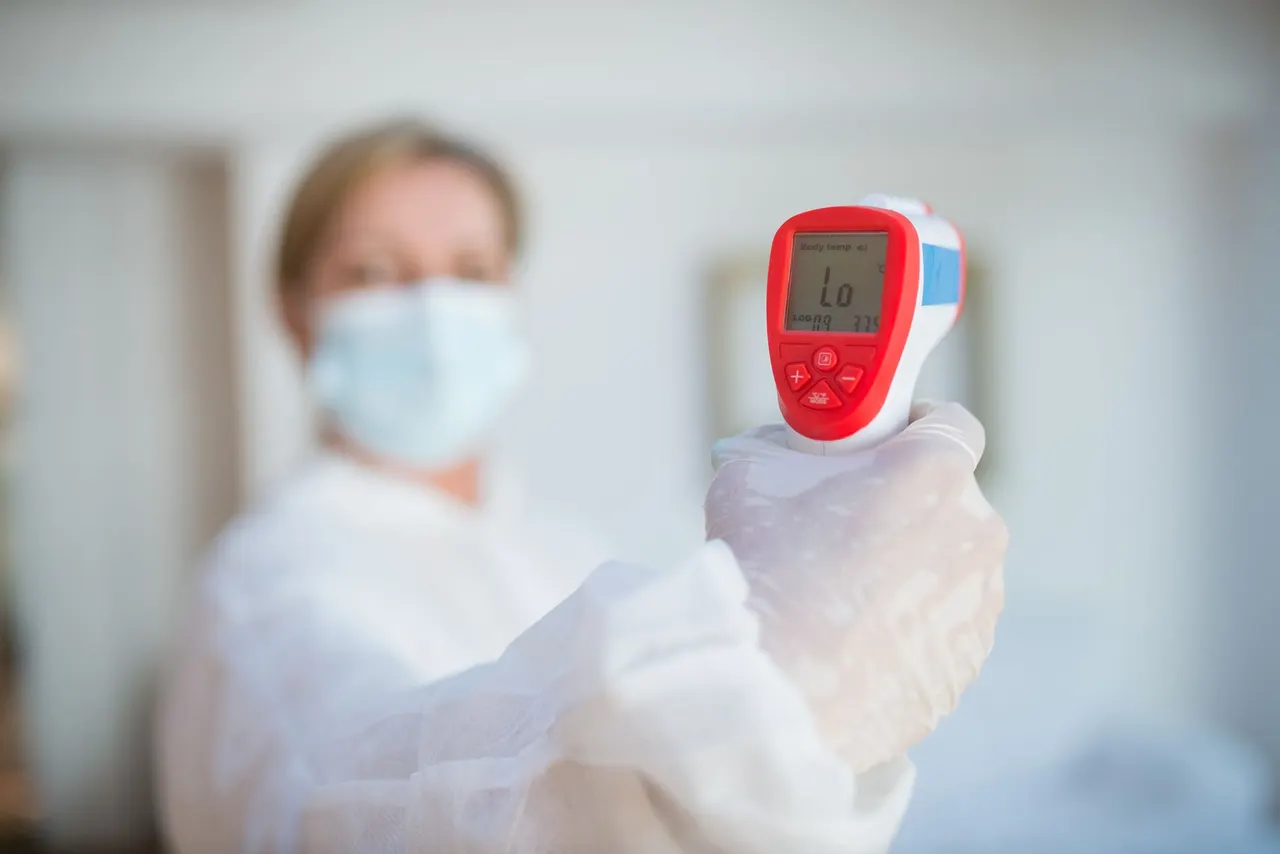
Pipeline leakage detection in Old Yellowstone District is what we do every week, from the old service lines near the Yellowstone Garage to the slab-on-grade homes off Collins Drive. We use acoustic listening devices, correlation leak detectors, and infrared thermal cameras to find hidden water leaks without tearing up your yard. If your water bill spiked or you hear water running at 2 a.m., call us.
Useful updates and clear arrival timing.
Review the approach and price before deciding.
Equipped vehicles and respectful cleanup.
Neighbors serving neighbors with follow-through.
Casper Leakage Fix Pros has spent years tracing hidden water leaks through Old Yellowstone District's mix of early-1900s brick commercial buildings and post-war bungalows. Pipeline leakage detection in Old Yellowstone District is not a side job for us. The district's aging galvanized and cast-iron service lines fail differently than the newer PVC out in the suburbs. We know where the water table sits after a wet spring, how frost heave shifts the ground around unprotected meter pits, and why so many slab leaks show up along the Yellowstone River corridor. Our technicians carry Sewerin and Gutermann acoustic listening devices, FLIR thermal cameras, and HWM correlation loggers on every truck. We serve homeowners, property managers, and the small commercial buildings that line the district's main corridors. When you call, you get a straight answer about what we found and what it takes to fix it.
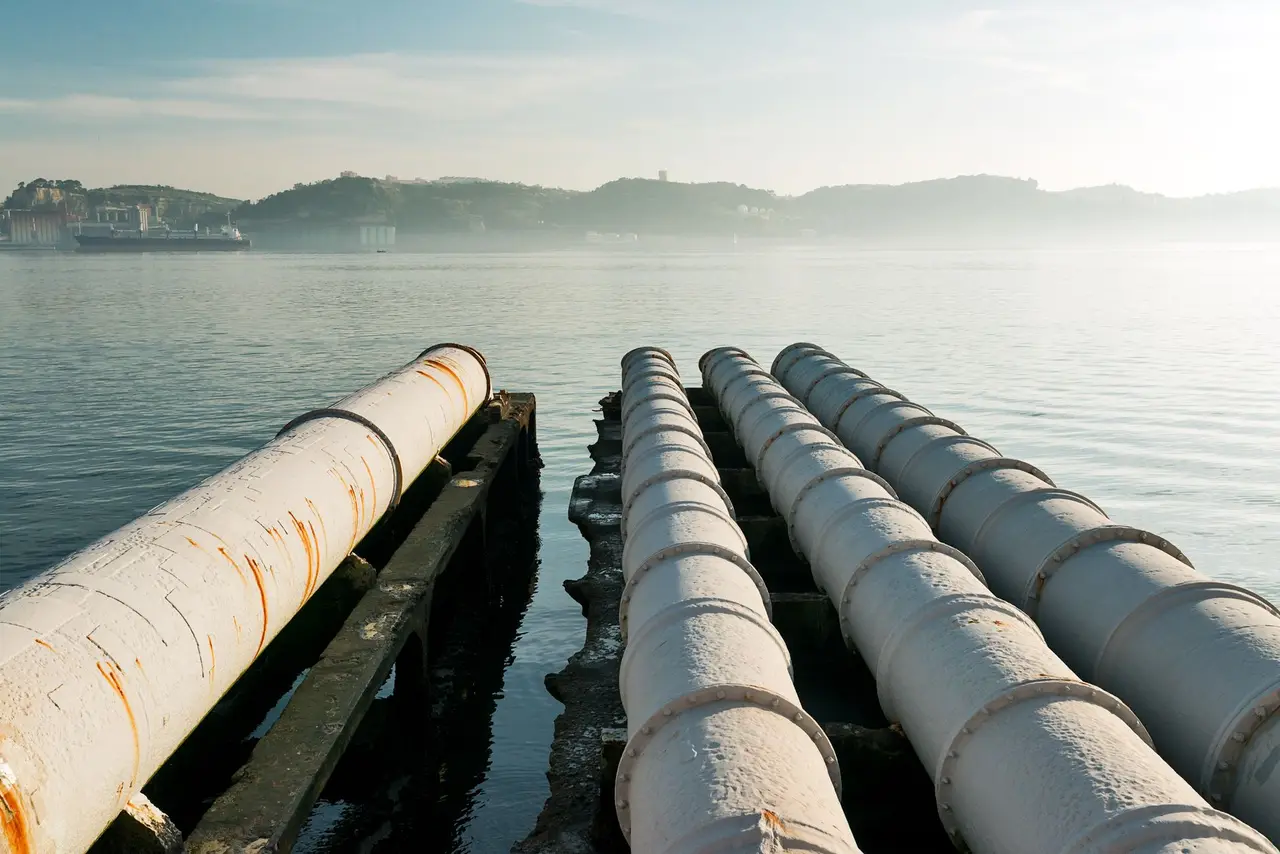
Demand for pipeline leakage detection in Old Yellowstone District runs year-round, but it spikes hard in late fall when the first hard freeze hits and again in spring when the ground thaws. If you need a leak pinpointed before the snow flies, call us now. We bring the full tool kit to every job, from acoustic listening devices to tracer gas detectors, so you get a confirmed location, not a guess.
We run full pipeline leak detection surveys across Old Yellowstone District, from the commercial blocks near the river to the residential streets off CY Avenue. Our technicians start with pressure gauges and flow meters to confirm a leak exists, then use acoustic listening devices and pipe locators to trace the line. You get a marked location and a written summary before we leave.
View service →02Acoustic leak detection works well in Old Yellowstone District's older buildings because it hears the leak without excavation. We use Sewerin and Gutermann ground microphones to listen for the specific frequency of pressurized water escaping a pipe. On slab-on-grade homes, we can often pinpoint a leak within a few feet. No digging until we know where to dig.
View service →03Infrared thermography leak detection is our go-to for warm-water lines and heating systems in Old Yellowstone District's commercial buildings. A FLIR thermal camera shows temperature differences on floors and walls that reveal where water is pooling under the surface. We use it alongside acoustic tools to confirm the exact leak point. It works through tile, concrete, and carpet.
View service →04Correlation leak detection is the most precise method we carry for long runs of underground pipe in Old Yellowstone District. We place two HWM or Primayer sensors on accessible points like meter pits or hose bibs, and the correlator calculates the leak position between them. On a 100-foot service line, we can narrow it down to within a few inches. That precision keeps excavation to a minimum.
View service →05Tracer gas leak detection is what we use when acoustic methods get too much background noise, like on busy commercial blocks in Old Yellowstone District. We inject a safe helium-hydrogen mix into the isolated line and use a detector to find where it escapes through the soil or slab. It finds leaks that other tools miss, especially on non-metallic pipe. We confirm with a second method before we mark the spot.
View service →When you book pipeline leakage detection in Old Yellowstone District, we start with a phone interview to narrow down the symptoms. Then we schedule a site visit, usually same-day for active leaks. Our technician arrives with a full kit: pressure gauges, flow meters, acoustic listening devices, and a video pipe inspection camera. We isolate the system, confirm the leak with pressure testing, and then use the appropriate detection method. On older properties, we often combine correlation leak detection with infrared thermography to cross-verify the location. We follow Wyoming plumbing code and AWWA guidelines for water system testing. If the leak is under a slab, we mark the floor with painter's tape so you can see exactly where the repair will go. You get a written report with our findings and a flat-rate quote for the repair.
Frost heave can shift underground pipes and open joints that were fine in the fall. We see a spike in emergency calls after the first hard freeze, especially on older service lines that lack proper bedding. We prioritize emergency leak surveys during freeze events and use acoustic tools that work through frozen ground. If we find a joint failure, we repair it with pipe repair clamps rated for freeze-thaw movement and backfill with proper bedding material.
Many Old Yellowstone District properties still have original steel or cast-iron lines that corrode from the inside out. These lines fail at joints and pinholes, and they can be hard to locate with standard tools because the pipe itself is deteriorating. We use tracer gas detectors and correlation leak detectors that work on metallic pipe. If the line is too far gone, we recommend a flexible pipe liner or full replacement. We always confirm the leak location with two methods before we recommend excavation.
Properties close to the river can have saturated soil that masks leak sounds and makes acoustic detection harder. Groundwater can also infiltrate broken pipes and skew flow meter readings. We switch to tracer gas leak detection when soil saturation is high. The gas rises through water and gives us a clear signal. We also use infrared thermal cameras to spot temperature anomalies that indicate submerged leaks.
All pipeline leakage detection and repair work in Old Yellowstone District must be performed by or under the supervision of a state-licensed plumbing contractor. We hold the required license and carry insurance and bonding. You can ask to see our credentials before we start.
We follow AWWA guidelines for pressure testing and leak detection on municipal and private water lines. These standards ensure our methods are consistent and our results are reliable. They also help us document the leak for your insurance claim if needed.
If your property has a fire suppression system or irrigation line, backflow prevention certification is required for any work that ties into the potable water supply. We coordinate with certified backflow testers to keep your system compliant.
Old Yellowstone District has its own set of pipeline problems. The older building stock, the freeze-thaw cycle, and the soil conditions all play a role. Here are the issues we see most often, and how we handle them.
Many buildings in Old Yellowstone District were built before 1960 and have copper or galvanized supply lines under the slab. These pipes corrode over time, especially in Natrona County's slightly acidic soil. The leak starts small and grows. We use acoustic listening devices and infrared thermal cameras to pinpoint the leak without breaking the whole slab. Once located, we cut a small access hole and repair the pipe with a clamp or epoxy putty. We pressure-test before we close it up.
The mature cottonwoods and elms along the Yellowstone River corridor have aggressive roots. They seek moisture and can enter pipes through tiny cracks at joints. Once inside, they grow and block the line, causing backups and leaks. We run a video pipe inspection camera to see the roots and the pipe condition. Then we use a mechanical cutter to clear them. If the pipe is damaged, we repair it with a flexible pipe liner or replace the section. We can also install root barriers.
Wyoming's freeze-thaw cycle runs from October to April. The ground expands and contracts, shifting pipes and stressing joints. Older cast-iron and galvanized pipes are especially vulnerable. A joint can fail and start leaking without any surface signs. We use correlation leak detection to find the exact joint that failed. Then we repair it with a pipe repair clamp rated for movement. We also check the bedding around the pipe and add gravel if needed to reduce future shifting.
A running toilet flapper or a broken irrigation line can waste thousands of gallons. In Old Yellowstone District, many properties have older fixtures and irrigation systems that aren't checked regularly. The leak is silent and easy to miss. We use flow meters and pressure gauges to isolate the leak. If it's a fixture, we can usually fix it on the spot. If it's underground irrigation, we use acoustic leak detection to find the break. We also offer leak detection dye testing for toilets.
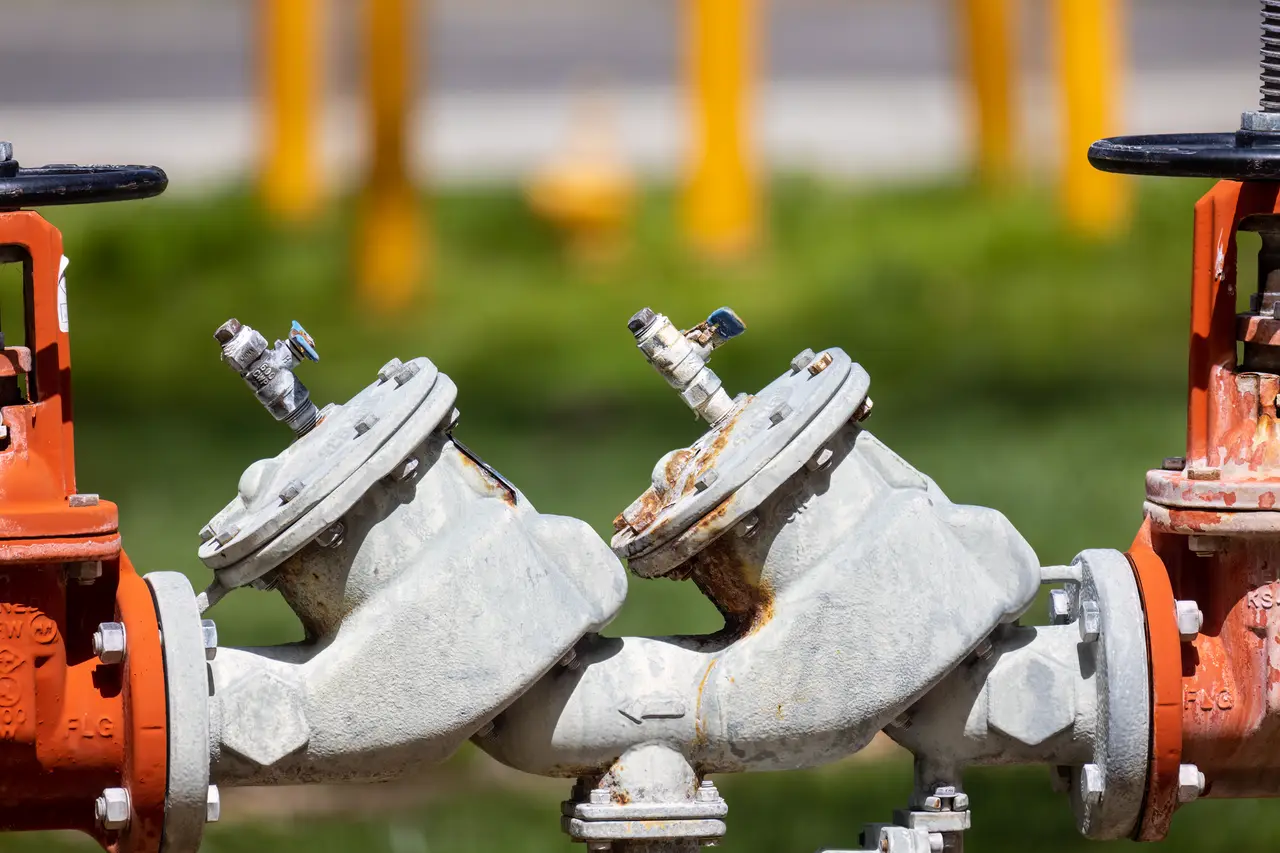
Typical 2026 pricing for pipeline leakage detection in Old Yellowstone District runs $250 to $600 for a standard residential survey, depending on the size of the property and the detection method required. Commercial buildings and complex slab leaks can run $800 to $1,500. The price includes the site visit, the use of acoustic and thermal equipment, and a written report with the confirmed leak location. If you need emergency service after hours, there's a call-out fee, but we waive it if you book the repair with us. We give you a flat-rate quote before we start any work, so you know exactly what you're paying.
A small bungalow on Collins Drive takes less time to survey than a multi-story commercial building downtown. More square footage means more pipe to test and more potential leak points. We adjust the price based on the linear feet of pipe and the number of fixtures.
Acoustic leak detection is usually the most affordable. If we need to bring in tracer gas or correlation equipment, the price goes up because of the specialized tools and extra time. We always start with the least invasive method and escalate only if needed.
If the leak is under a slab or behind a wall, we may need to cut concrete or drywall to confirm the location. We include minor access work in our quote. Major excavation is quoted separately after we've pinpointed the leak.
Old Yellowstone District is compact, but parking and alley access can be tricky. We use these landmarks to orient our crews and plan the fastest route to your property. If you're giving us directions, mention one of these and we'll know exactly where you are.
A well-known event venue in the district. We use it as a reference point for properties on the surrounding blocks. If you're near the garage, we can usually find street parking on the adjacent side streets.
The downtown library is a central landmark. We use it to orient calls on the east side of the district. There's usually loading zone access nearby for our service truck.
This outdoor plaza is a hub for the district. We use it as a meeting point for customers who want to guide us in. It's also a good reference for the surrounding commercial blocks.
Located in the district, the chamber building is a familiar landmark for our commercial clients. We often schedule leak surveys for nearby businesses and use the chamber as a central pin.
The downtown business district overlaps with Old Yellowstone District and includes retail shops, offices, and restaurants. Many of these buildings are older and have original plumbing. We work with property managers to schedule leak detection during off-hours.
The downtown bus transfer station is a central access point. We use it to navigate around bus routes and avoid blocking transit lanes when we park our service vehicle.
We cover the full Old Yellowstone District and the surrounding blocks. Whether you're in a historic commercial building or a mid-century home, we know the streets and the typical pipe materials. Here are the areas we work in most.
This is the heart of Old Yellowstone District, with brick buildings from the early 1900s and a mix of retail and residential upstairs. Many of these buildings have original cast-iron drain lines and copper supply lines that are reaching the end of their service life. We handle a lot of slab leaks and wall leaks here. We're usually on-site within 30 minutes for emergency calls in the downtown core.
The Collins Drive area has a mix of older single-family homes and small apartment buildings. The soil here is a mix of clay and sand, which can shift with moisture changes and stress underground pipes. We see a lot of joint failures and root intrusion from mature trees. We can reach Collins Drive in about 20 minutes from our dispatch point.
The CY Avenue corridor is a busy commercial strip with restaurants and shops. These buildings have high water demand, and a hidden leak can waste thousands of gallons before anyone notices. We use acoustic and tracer gas methods to find leaks without disrupting business. We schedule commercial leak surveys before opening hours to avoid parking issues.
Properties close to the river have a higher water table and sandy soil. That combination can mask leak sounds and make detection tricky. We use tracer gas and thermal imaging here because they work well in saturated conditions. We also see corrosion from soil acidity in this area. We know the riverfront access points and can get equipment to the back of these properties.
These are real examples of how we've solved pipeline leakage detection problems in Old Yellowstone District. Names and exact addresses are withheld, but the details are accurate.
A property manager on the 200 block of South Center Street noticed a spike in the water bill but no visible leak. The building was a 1920s brick commercial space with a concrete slab floor. We performed an acoustic survey and correlation leak detection on the main service line. The correlator pinpointed a leak under the slab near the front entrance. We used a FLIR thermal camera to confirm the location and then excavated a 2-foot square section of slab. The leak was a failed joint on a copper line. We repaired it with a pipe repair clamp and epoxy putty, then pressure-tested the line. The water bill dropped by 40% the next month.
A homeowner on Collins Drive heard water running under the bathroom floor at night. The home was a 1950s bungalow with original galvanized pipes. A previous contractor had recommended a full repipe. We used ground microphones and a video pipe inspection camera to trace the line. The leak was a pinhole in a galvanized supply line under the slab. We isolated the line and used tracer gas to confirm the exact spot before cutting concrete. We replaced a 3-foot section of pipe with PEX and pressure-tested it. The repair cost a fraction of a full repipe, and the homeowner had no more noise or water damage.
A restaurant on CY Avenue had unexplained moisture in the basement and a musty smell. The building was a 1960s commercial structure with a cast-iron drain line under the floor. We ran a video pipe inspection camera and found root intrusion at a joint. We used acoustic leak detection to confirm the leak location, then excavated and replaced the damaged section with PVC. We also cleared the roots with a mechanical cutter. The basement dried out, and the restaurant passed its health inspection. We installed a backflow prevention device to protect the potable water supply.
We had a slab leak in our 1920s building downtown. Casper Leakage Fix Pros used acoustic equipment to find it in under an hour. They marked the spot, gave us a flat quote, and fixed it the next day. No guesswork, no mess. I've already recommended them to two other property owners on our block.
Our water bill doubled overnight. I called these guys, and they came out same day. The technician used a correlation detector and found the leak under our driveway. He showed me the reading on the screen and explained exactly what was happening. The repair was quick and the price was fair.
We manage a commercial property on CY Avenue and had a mystery leak in the basement. These guys brought in thermal cameras and tracer gas. They found a cracked cast-iron pipe behind a wall. They fixed it without shutting down our tenants' water for more than an hour. Professional and clean.
Old Yellowstone District's climate drives when leaks happen and how we find them. Fall and winter are our busiest seasons for emergency calls. Spring brings its own set of problems. Here's what to expect each season.
As the ground thaws, pipes that were stressed by winter frost can shift and leak. We see a spike in calls for joint failures and slab leaks in April and May. The high water table near the river can also mask leak sounds, making detection trickier.
Summer is our season for irrigation leaks. Older systems in Old Yellowstone District often have brittle poly pipe that cracks under pressure. We also see more leaks from high water demand in commercial buildings. The dry soil can make acoustic detection easier.
As temperatures drop, pipes contract and old joints can open up. This is when we start getting calls for leaks that were dormant all summer. We also see an increase in slab leaks as the ground cools and shifts. It's the best time to get a preventive survey.
Winter is our emergency season. Frozen pipes can burst and cause major water damage. In Old Yellowstone District, the older buildings are especially vulnerable because they may lack proper insulation. We run 24/7 calls for burst pipes and frozen lines.
We're based in Casper and cover the surrounding region. If you're just outside Old Yellowstone District, we can still help. Here's where else we work.
Not all leak detection companies are the same. Some will guess and start digging. Others will bring the right tools and find the leak without unnecessary damage. Here are the questions you should ask before you hire anyone in Old Yellowstone District.
A company that only uses one method may miss the leak or mislocate it. We carry acoustic, thermal, correlation, and tracer gas equipment. The right tool depends on your pipe material and soil conditions.
Pipeline leakage detection and repair requires a state plumbing license in Wyoming. Ask for the license number and proof of insurance. If they can't provide it, don't let them work on your property.
A written report documents the leak for your insurance claim and helps the repair technician. We provide a marked location and a summary of our findings. If a company won't put it in writing, be suspicious.
Some companies charge a trip fee even if they don't find the leak. We charge a flat rate for the survey and apply it toward the repair if you hire us. You'll know the price before we start.
An active leak can cause serious damage in a short time. We offer same-day service for emergencies in Old Yellowstone District. If a company can't give you a clear timeframe, call someone else.
NACE International
American Water Works Association
Occupational Safety and Health Administration
$2M general liability
member
member
Most residential surveys in Old Yellowstone District run $250 to $600 in 2026. Commercial buildings and complex slab leaks can cost $800 to $1,500. The price includes the site visit, equipment use, and a written report. We give you a flat quote before we start, so there are no surprises.
A typical residential survey takes one to two hours. Commercial properties or homes with multiple leak points can take three to four hours. We work efficiently and don't leave until we've confirmed the leak location. If we need to use multiple methods, it may take a bit longer.
Yes. We use acoustic listening devices, infrared thermal cameras, and correlation detectors that work through concrete, tile, and drywall. We only cut into the floor or wall after we've pinpointed the leak. That keeps the repair small and saves you money.
We offer 24/7 emergency response for active leaks. If you have water pouring out or a burst pipe, call us at +1 307-312-8103. We prioritize emergencies and can usually be on-site within 30 to 60 minutes in the Old Yellowstone District area.
The most common causes are aging pipes, freeze-thaw movement, and root intrusion. Many buildings here have original galvanized or cast-iron lines that corrode over time. Natrona County's clay soil and cold winters accelerate the wear. We address all of these with the right detection and repair methods.
Not seeing your question? Our local team can help you understand urgency, scheduling and what to expect.
Ask the local teamReach us at +13073128103 any time, day or night. During business hours most calls get a technician on site within two hours, and emergency dispatch runs around the clock. Tell us what changed with your water bill, your pressure, or your floor, and we will tell you what it likely is and when we can be there.