Focused arrival windows
Useful updates and clear arrival timing.
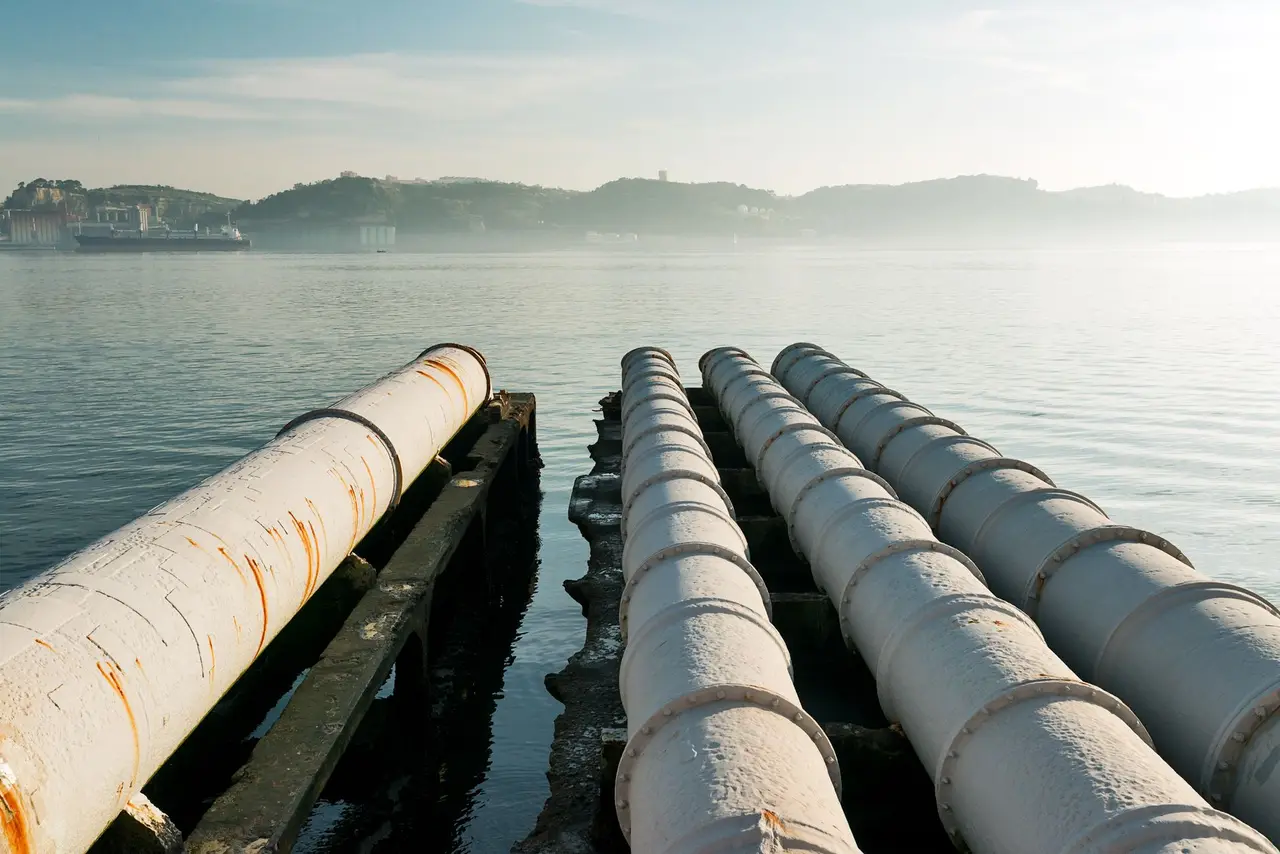
When you need pipeline leak detection casper WY, we find the source of hidden water loss with acoustic listening devices, correlation leak detectors, and infrared thermal cameras. We serve homeowners, landlords, and property managers across Natrona County who are tired of high water bills, low pressure, and wet ground. Same-day appointments and 24/7 emergency response are available.
Useful updates and clear arrival timing.
Review the approach and price before deciding.
Equipped vehicles and respectful cleanup.
Neighbors serving neighbors with follow-through.
Every inspection includes a pressure test, acoustic sweep, correlation check, and written report. Thermal imaging and tracer gas are included when the situation calls for them. Repair work is quoted separately, and the inspection fee is credited if you hire us for the fix.
We isolate the suspect line and watch pressure gauges and flow meters to confirm water loss. This step rules out fixtures and irrigation zones before we start the acoustic search.
Ground microphones and correlation leak detectors pinpoint the leak's location along the pipe route. We mark the spot with paint and flagging so the repair crew knows exactly where to dig.
Infrared thermal cameras check walls, floors, and slabs for moisture-related temperature differences. This catches slow leaks that make little or no noise.
When the leak is inside a drain or sewer line, we run a video pipe inspection camera to see joint failures, root intrusion, or corrosion directly. You get screenshots in the report.
You receive a same-day report listing the leak location, pipe material, and recommended repair method. We include photos and a site sketch so you can get competing bids if you want.
Share what is happening and receive a clear next step from the local team.
Pipeline leak detection casper WY is the process of locating leaks in buried or concealed water, sewer, and process piping using non-destructive tools before any digging begins. We start by isolating the affected line with pressure gauges and flow meters, then sweep the route with acoustic listening devices and ground microphones to hear the leak's signature. When the noise is faint, we bring in correlation leak detectors that compare sound arrival times at two points to calculate the leak's position within inches. Video pipe inspection cameras confirm joint failures, root intrusion, or corrosion inside the line.
Casper's freeze-thaw cycles and older housing stock make hidden water leaks a year-round problem. A pinhole leak under a slab in a 1950s bungalow can waste thousands of gallons before it surfaces. We handle pipeline leak inspection casper WY for slab leaks, irrigation lines, and municipal service laterals. If you have ever typed pipeline leak detection near me casper WY at 2 a.m. while water crept across your basement floor, you already know why fast, accurate location matters.
You describe the symptom: high water bill, low water pressure, wet spot, or pipe vibration noise. We ask for your ZIP code and whether the line is inside or outside the building. This five-minute call determines which tools we load first and whether you need emergency pipeline leak detection casper wyoming response.
On site, we shut off fixtures and irrigation zones one at a time while watching pressure gauges and flow meters. This confirms which line is losing water and rules out toilet flappers, water heaters, and sprinkler valves. Takes 20 to 40 minutes on a typical Casper home.
We walk the pipe route with acoustic listening devices and ground microphones, listening for the hiss or thump of escaping water. On soft Wyoming soil, we can often hear a leak from six feet away. We mark each candidate spot with paint.
Two sensors placed on accessible points feed the correlation leak detectors, which calculate the leak's position to within inches. Infrared thermal cameras back up the finding by showing cool, wet zones behind walls or under slabs. This is where most pipeline leak inspection casper WY jobs get their definitive answer.
We hand you a written report with the leak location, pipe material, and recommended repair. If you approve, we proceed with pipe repair clamps, epoxy putty, or a flexible pipe liner depending on the pipe type. Most repairs are completed the same day.
Ground microphones and listening sticks pick up the sound of escaping water through soil, concrete, and asphalt. We use them to sweep the pipe route and mark candidate leak spots.
Two sensors placed on accessible points compare sound arrival times to calculate the leak's position to within inches. Ideal for long service laterals and downtown Casper lines under pavement.
Thermal imaging reveals temperature differences caused by moisture behind walls or under slabs. We use it to confirm acoustic findings and catch slow leaks that make no noise.
A push camera with a lighted head lets us see inside drains and sewer lines. We identify joint failures, root intrusion, and corrosion without excavation.
We introduce a helium/hydrogen mix into the suspect line and sniff the surface with a detector. This finds leaks in non-metallic pipe and under slabs where sound does not travel well.
These confirm water loss and isolate the affected line before we start the acoustic search. They also verify that the repair holds before we leave.
We follow American Water Works Association guidance for acoustic surveying and correlation on water systems. This standard helps us choose the right tool for the pipe material and soil type.
For underground pipe corrosion, we apply NACE International visual and non-destructive assessment techniques to judge whether a repair or replacement is the right call.
After a repair, we review fixtures and irrigation settings using EPA WaterSense guidance. Small changes can cut water use by 10 to 20 percent and reduce future strain on the line.
All excavation and confined-space work follows OSHA safety compliance rules. We shoring trenches, test for gas, and use personal protective equipment on every job.
We perform a full pipeline leak inspection casper WY, isolating the service line and sweeping it with acoustic and correlation tools. The meter test confirms a leak, and our equipment finds it without digging. You get a marked repair point and a written report. Most customers see their bill return to normal within one billing cycle after repair.
We use ground microphones and tracer gas detectors to trace the leak along the buried line. Thermal cameras help confirm the wet zone. We mark the spot and recommend a targeted excavation. One small dig instead of trenching the yard. The repair is completed, and the soil dries out within a week.
We pressure-test the riser and service lateral separately. Correlation leak detectors work well in noisy urban settings like downtown. If the leak is inside a drain line, we run a video pipe inspection camera. You get a clear diagnosis and a repair plan that minimizes disruption to tenants. Most commercial inspections are done in under four hours.
We answer emergency pipeline leak detection casper wyoming calls 24/7. A technician arrives within 60 to 90 minutes, isolates the line, and stops the flow. We then locate the split and repair it. Water damage is limited to a small area. The line is repaired and pressure-tested before we leave.
Casper's climate swings from 95 F summer days to -20 F winter nights, and that freeze-thaw cycle is hard on buried pipe. Frost depth here reaches 36 inches, so service laterals sit below the freeze line but still suffer joint failures as soil shifts. Older neighborhoods like downtown and the Old Yellowstone District have a mix of cast iron, galvanized steel, and copper lines, some dating to the 1920s. We adjust our acoustic sweep for clay-heavy soil and use tracer gas detectors where sound transmission is poor. If you search for pipeline leak detection near me casper WY, you will find us ready with the right tools for local conditions. We also coordinate with the City of Casper water department when a leak is on the municipal side of the meter.
Historic buildings with original cast iron drains and copper supply lines. We use correlation leak detectors under pavement and sidewalks to avoid heavy excavation.
Mixed-use buildings with older service laterals. Tracer gas detection works well here where acoustic noise from traffic interferes with listening devices.
Rocky soil and steep grades make acoustic listening tricky. We rely more on thermal imaging and pressure testing to narrow the search area.
Newer subdivisions with PVC and PEX lines. Leaks here are often at joints or fittings, which video pipe inspection cameras can spot quickly.
Service laterals are buried below the freeze line, but frost heave can shift soil and crack joints. We account for this when interpreting acoustic signals.
Clay transmits sound differently than sand or rock. We calibrate our acoustic equipment and often use correlation leak detectors for a second opinion.
Many homes have galvanized steel or cast iron lines that corrode from the inside. We inspect for underground pipe corrosion and recommend liners or replacement when needed.
Pipes can freeze and split during January cold spells. We keep emergency crews on standby and prioritize burst lines and no-water calls.
A homeowner in downtown Casper noticed a warm spot on the kitchen floor and a water bill that jumped from $45 to $120 a month. The city confirmed the leak was on the homeowner's side. Two other companies recommended breaking up the entire kitchen floor.
We used acoustic listening devices and infrared thermal cameras to pinpoint the leak at a single joint under the sink cabinet. The repair required a two-foot square opening, not the whole floor. The water bill dropped back to $48 the next month.
Maintenance: We recommended a pressure test every two years and advised the homeowner to watch for new warm spots. A flexible pipe liner was installed to protect the rest of the line.
A property manager in the Old Yellowstone District had low water pressure on the top floor of a three-story building. The driveway showed a small sinkhole. Two plumbers guessed the leak was under the building and quoted a major excavation.
Our correlation leak detectors placed the break 18 inches from the driveway edge, not under the building. We excavated a 3-foot by 3-foot area, replaced the failed joint with a pipe repair clamp, and restored pressure to all floors. The job took one day.
Maintenance: We scheduled an annual pressure test and recommended a backflow prevention check each spring. The manager now has a baseline for future comparisons.
A homeowner on Casper's east side called at 11 p.m. in January when a pipe burst in the crawlspace. Water was spraying against the floor joists. The temperature outside was -12 F.
We arrived in 70 minutes, isolated the line, and stopped the flow. The split was in a copper supply line. We repaired it with epoxy putty and a pipe repair clamp, then pressure-tested the line. The homeowner avoided a $4,000 restoration bill.
Maintenance: We advised insulating the crawlspace pipes and leaving a trickle running during nights below 0 F. A follow-up inspection three months later showed no new leaks.
Hidden leaks waste water, damage property, and drive up bills. We find them before they turn into a foundation repair or a mold remediation job.
You pay for hundreds of gallons a day that never reach a faucet. Over a year, that can add $500 or more to your water and sewer costs. We isolate the line with flow meters and sweep it with acoustic listening devices to find the hidden water leak. Most residential leaks are located within two hours and repaired the same day.
A leak on the main service line drops pressure at every fixture. Showering, laundry, and dishwashing all suffer, and you may blame the wrong appliance. We pressure-test the service lateral separately from the interior plumbing. Correlation leak detectors pinpoint the break, and we repair it with pipe repair clamps or a flexible pipe liner depending on the pipe material.
An underground pipe leak saturates soil, kills grass, and can undermine a driveway or patio. Left alone, it may erode the foundation backfill. We use ground microphones and tracer gas detectors to trace the leak without digging up the whole yard. One small excavation is usually enough to expose and repair the failed joint.
A vibrating pipe often signals a loose joint or a pinhole leak spraying inside a wall cavity. Ignoring it leads to drywall damage and mold. We scan the wall with infrared thermal cameras and acoustic listening devices to confirm moisture and locate the source. The repair is typically a small drywall opening and a pipe patch kit or epoxy putty fix.
$180 - $650 depending on scope
Typical 2026 pricing for residential pipeline leak detection in Casper runs $180 to $450, depending on line length, accessibility, and how many zones we need to isolate. Commercial and multi-zone properties range from $400 to $650. The inspection fee covers pressure testing, acoustic sweeping, correlation, and a written report. If you hire us for the repair, we credit the inspection fee toward the total. We quote the price before we start, so there are no surprises.
Finding the leak is the hard part. Once we mark it, the repair is usually straightforward and limited to a small area. Our inspection fee is credited toward the repair, so you are not paying twice for the same diagnosis.
A short interior line is faster to sweep than a 150-foot service lateral. Deeper lines take longer to isolate and may require tracer gas detection, which adds time and cost.
Leaks under a slab or behind finished walls take longer to confirm. We use thermal cameras and video pipe inspection cameras to minimize opening up the structure.
A single-family home usually has one or two zones. A commercial building with irrigation, fire lines, and multiple risers can have five or more, each needing separate isolation.
Emergency pipeline leak detection casper wyoming calls on nights, weekends, and holidays carry a flat after-hours fee. We disclose the fee on the phone before we dispatch.
A pipe repair clamp or epoxy putty fix is inexpensive. A flexible pipe liner or full line replacement costs more but may be the better long-term choice for corroded pipe.
Our technicians train on Sewerin, Gutermann, and FLIR equipment and follow AWWA leak-detection practices for water systems. We hold a Wyoming state plumbing license and carry OSHA safety compliance training for confined-space and excavation work. We have located leaks in cast iron, copper, galvanized steel, PVC, and polybutylene lines across Casper. Every job starts with a pressure test and ends with a flow verification, so you know the line holds before we pack up.
Our water bill jumped $80 in one month. The city said it was on our side. These guys came out with acoustic gear and found a slab leak under the kitchen in about two hours. They marked the spot, and the plumber only had to open a two-foot square. Worth every penny.
We manage six older buildings downtown. A tenant reported low water pressure, and we could not find the cause. Their correlation leak detector found a joint failure under the parking apron. They gave us a written report with photos. We hired them for the repair the same week.
Called at 11 p.m. when a pipe burst in the crawlspace. They answered, quoted the after-hours fee, and had a tech here in 75 minutes. He isolated the line, found the split, and capped it until morning. No drama, no surprise charges. I will use them again.
Most residential inspections run $180 to $450 in 2026, depending on line length and accessibility. Commercial or multi-zone properties range from $400 to $650. The fee covers pressure testing, acoustic sweeping, and a written report. If you approve the repair, we credit the inspection fee toward the total.
It is a non-destructive search for hidden water leaks in buried or concealed piping. We use acoustic listening devices, correlation leak detectors, and infrared thermal cameras to find the leak without digging. The goal is to mark the exact repair point so excavation stays small and targeted.
Yes. We answer calls 24/7 and dispatch within 60 to 90 minutes inside Casper city limits. Night, weekend, and holiday calls carry a flat after-hours fee we quote on the phone. Burst pipes, slab leaks, and service lateral breaks are our most common emergency calls.
We isolate the line with pressure gauges, then sweep it with acoustic listening devices and ground microphones. Correlation leak detectors compare sound arrival times at two points to calculate the leak's position. Thermal cameras confirm moisture behind walls or under slabs. The whole process takes two to four hours on a typical home.
Not seeing your question? Our local team can help you understand urgency, scheduling and what to expect.
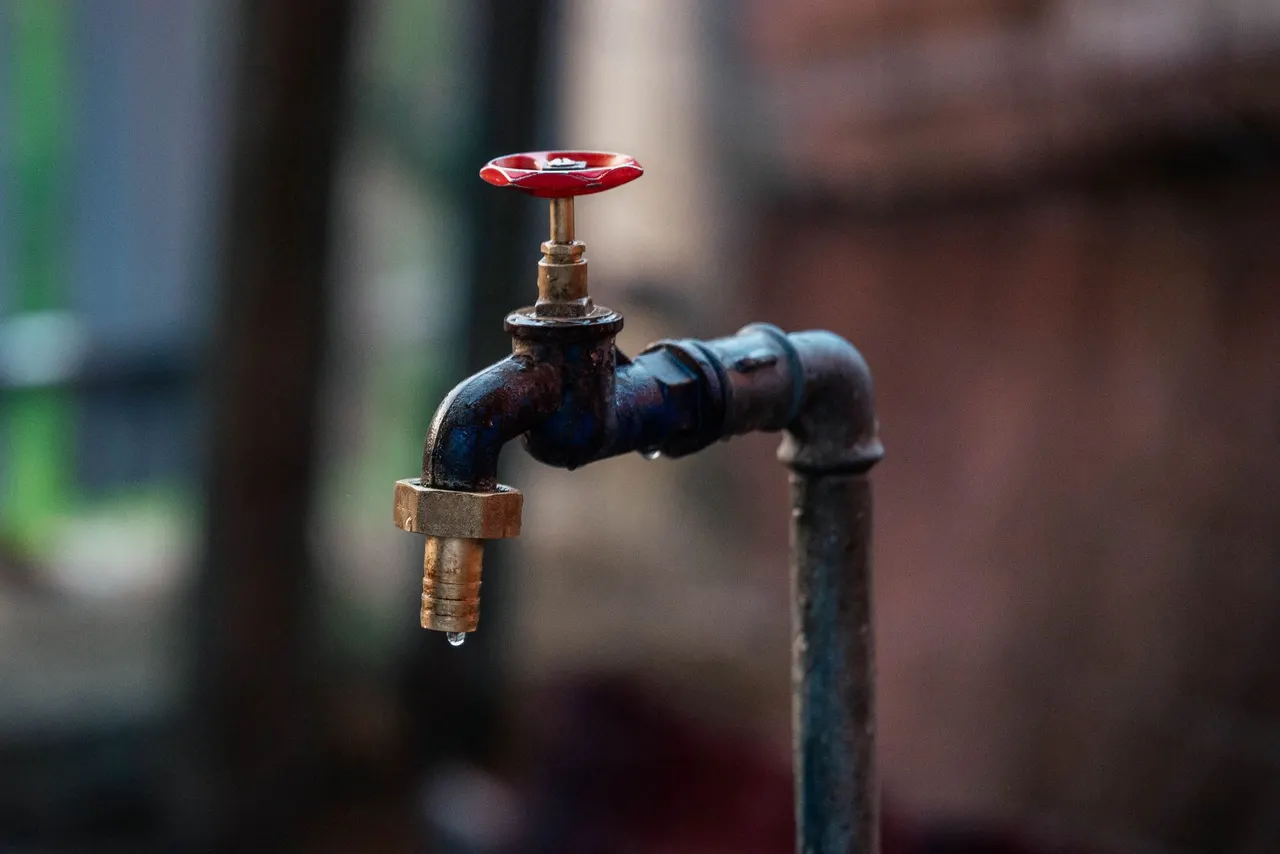
Ask the local teamAcoustic leak detection is the first tool we deploy on every pipeline leak detection casper job. Ground microphones and listening devices pick up the sound of escaping water through soil and concrete, letting us narrow the search area before we bring in heavier equipment.
View service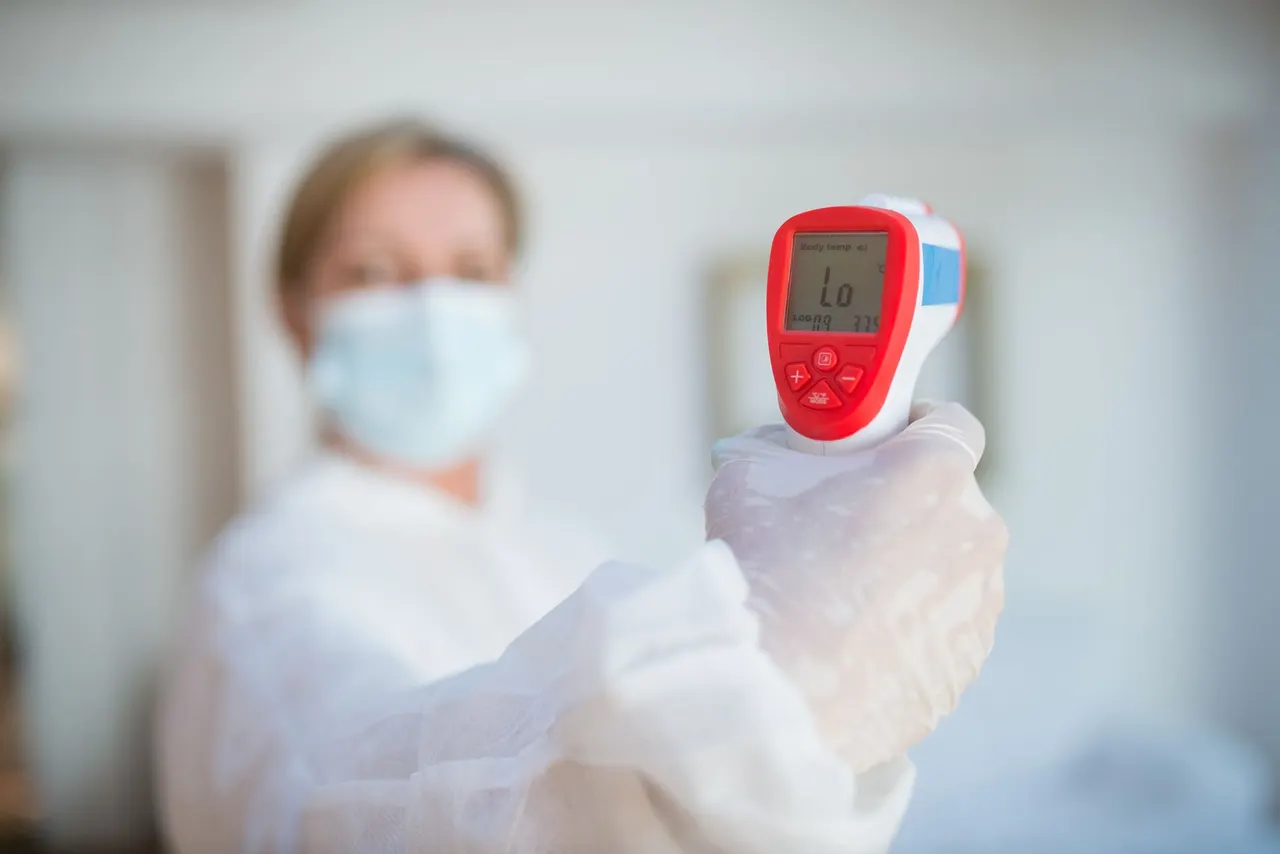
Infrared thermal cameras show temperature differences caused by moisture behind walls or under slabs. We use this alongside pipeline leak inspection casper WY to confirm acoustic findings and catch leaks that make no audible noise, such as slow drips inside a wall cavity.
View service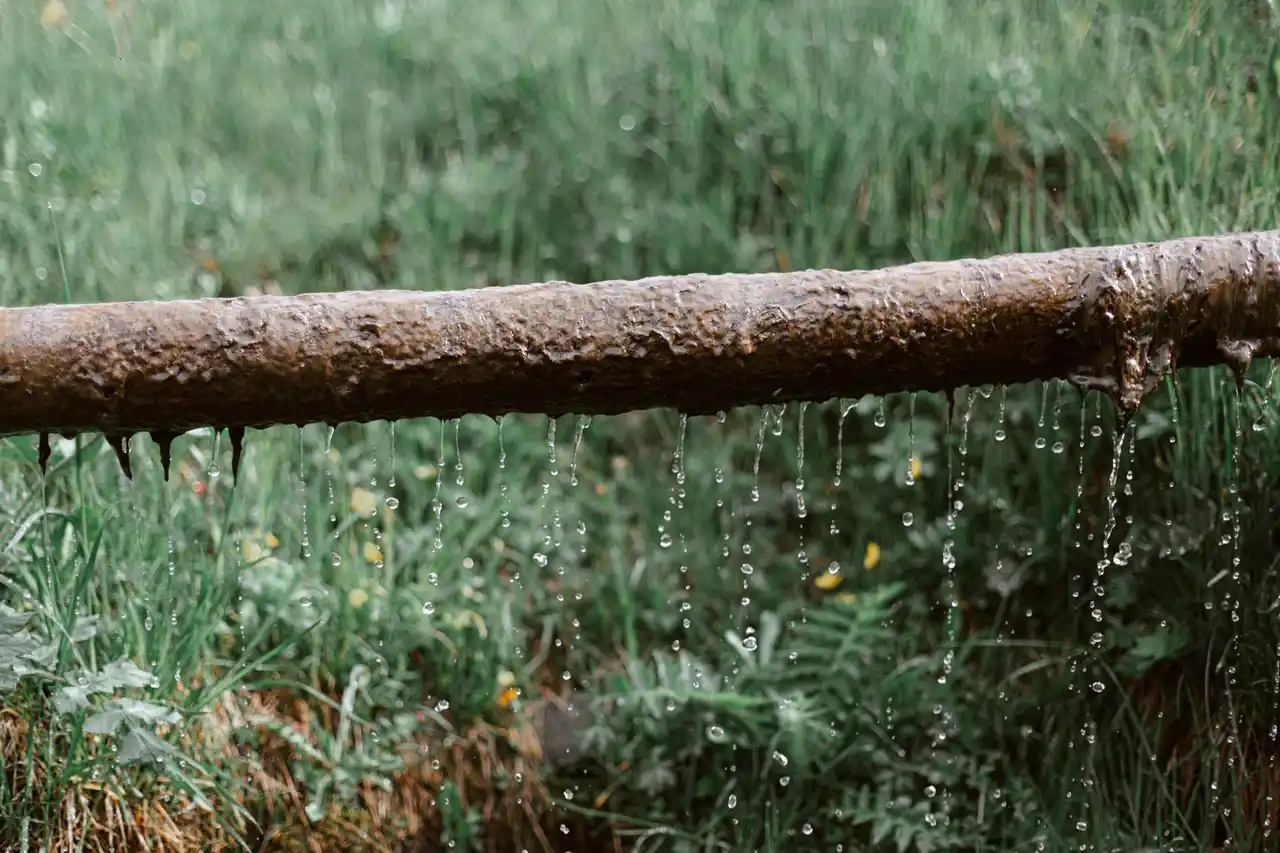
Correlation leak detection places two sensors on the same pipe and compares the time it takes for leak noise to reach each one. The math pinpoints the leak to within inches. This is our go-to method for long service laterals and downtown Casper lines under pavement.
View service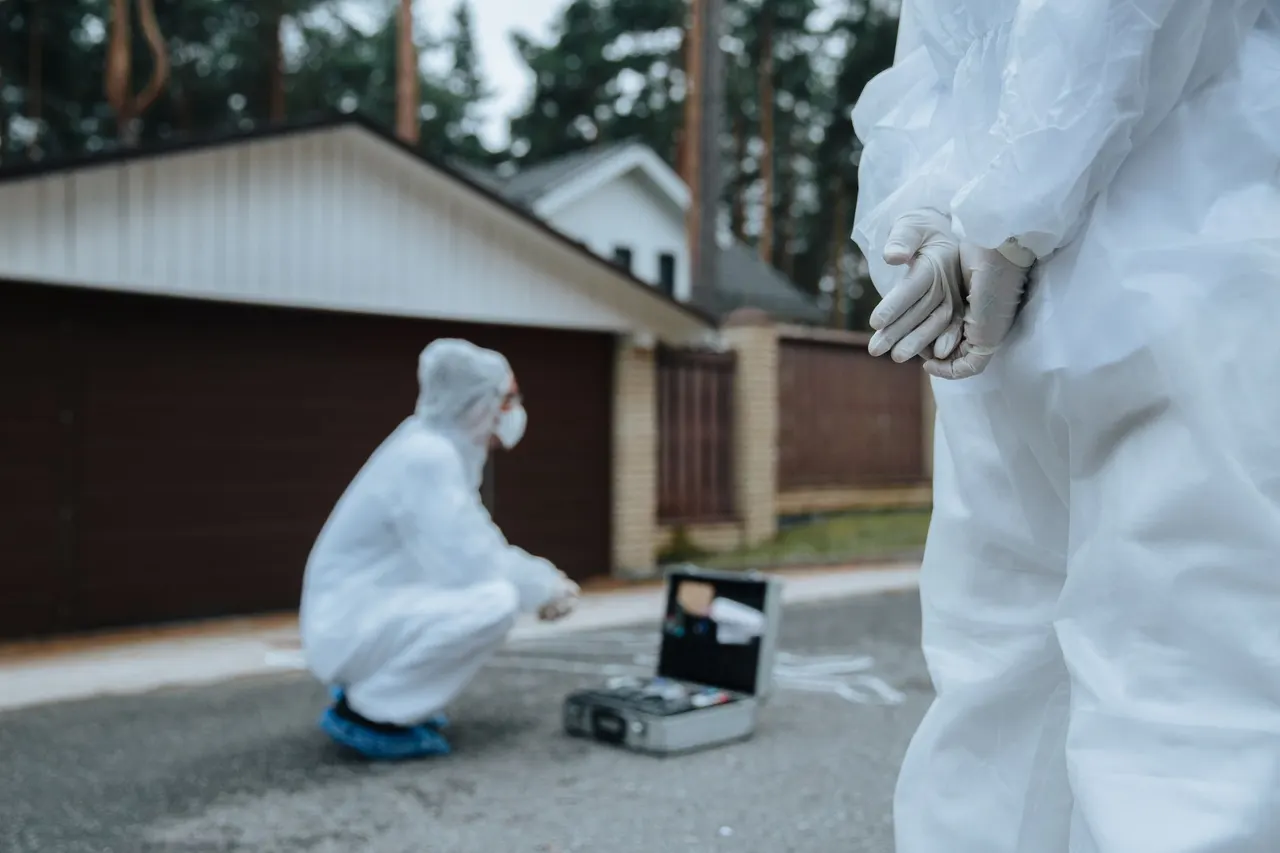
When acoustic and thermal methods come up empty, we introduce a tracer gas (helium/hydrogen mix) into the suspect line and sniff the surface with a detector. Tracer gas finds leaks in non-metallic pipe and under slabs where sound does not travel well.
View serviceReach us at +13073128103 any time, day or night. During business hours most calls get a technician on site within two hours, and emergency dispatch runs around the clock. Tell us what changed with your water bill, your pressure, or your floor, and we will tell you what it likely is and when we can be there.