Focused arrival windows
Useful updates and clear arrival timing.
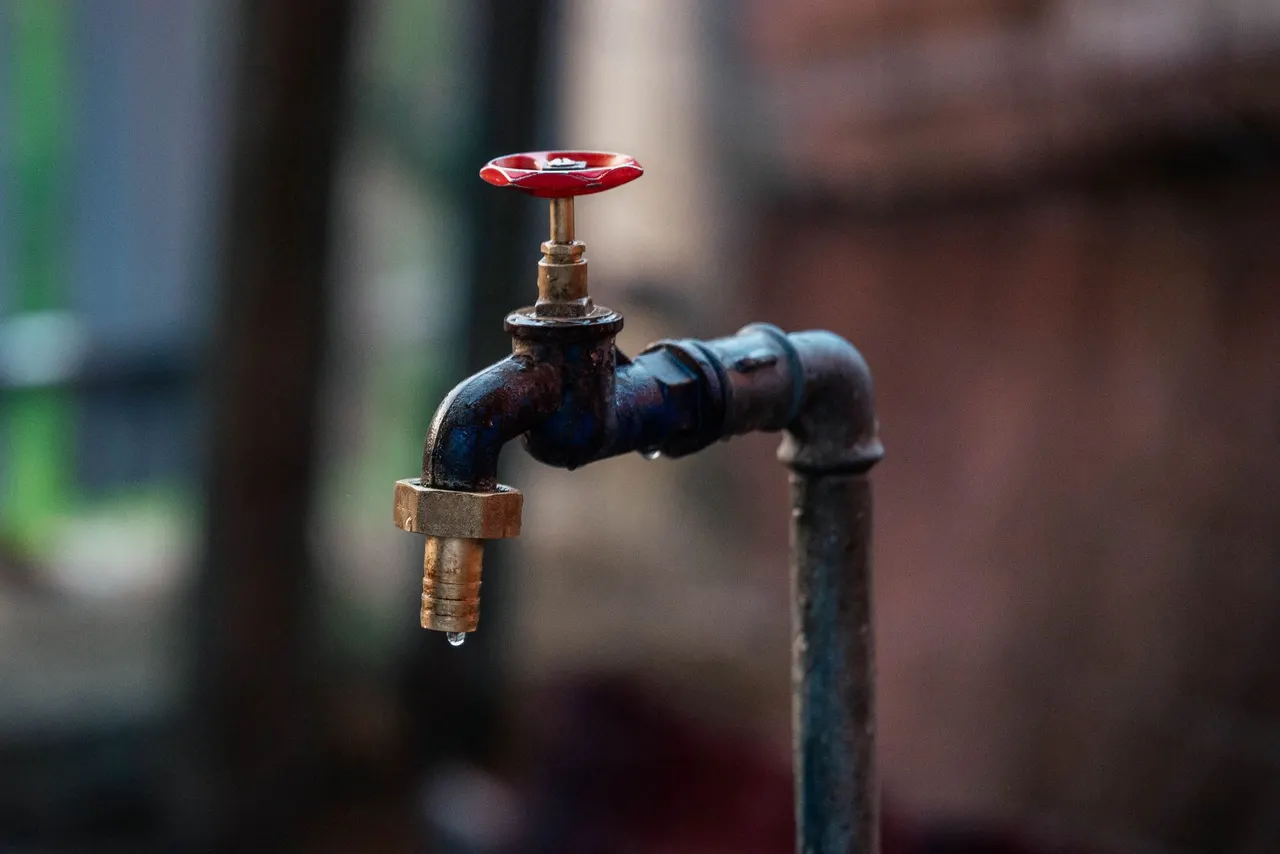
Every leak is different, so we match the method to the pipe. A pressurized irrigation line under a lawn needs a different approach than a slab leak under a kitchen floor or a steam line in a commercial building. Our casper pipeline leakage detection lineup covers five proven methods, and we will tell you straight which one fits your line after a quick walk of the property.
Useful updates and clear arrival timing.
Review the approach and price before deciding.
Equipped vehicles and respectful cleanup.
Neighbors serving neighbors with follow-through.
Every leak is different, so we match the method to the pipe. A pressurized irrigation line under a lawn needs a different approach than a slab leak under a kitchen floor or a steam line in a commercial building. Our casper pipeline leakage detection lineup covers five proven methods, and we will tell you straight which one fits your line after a quick walk of the property.
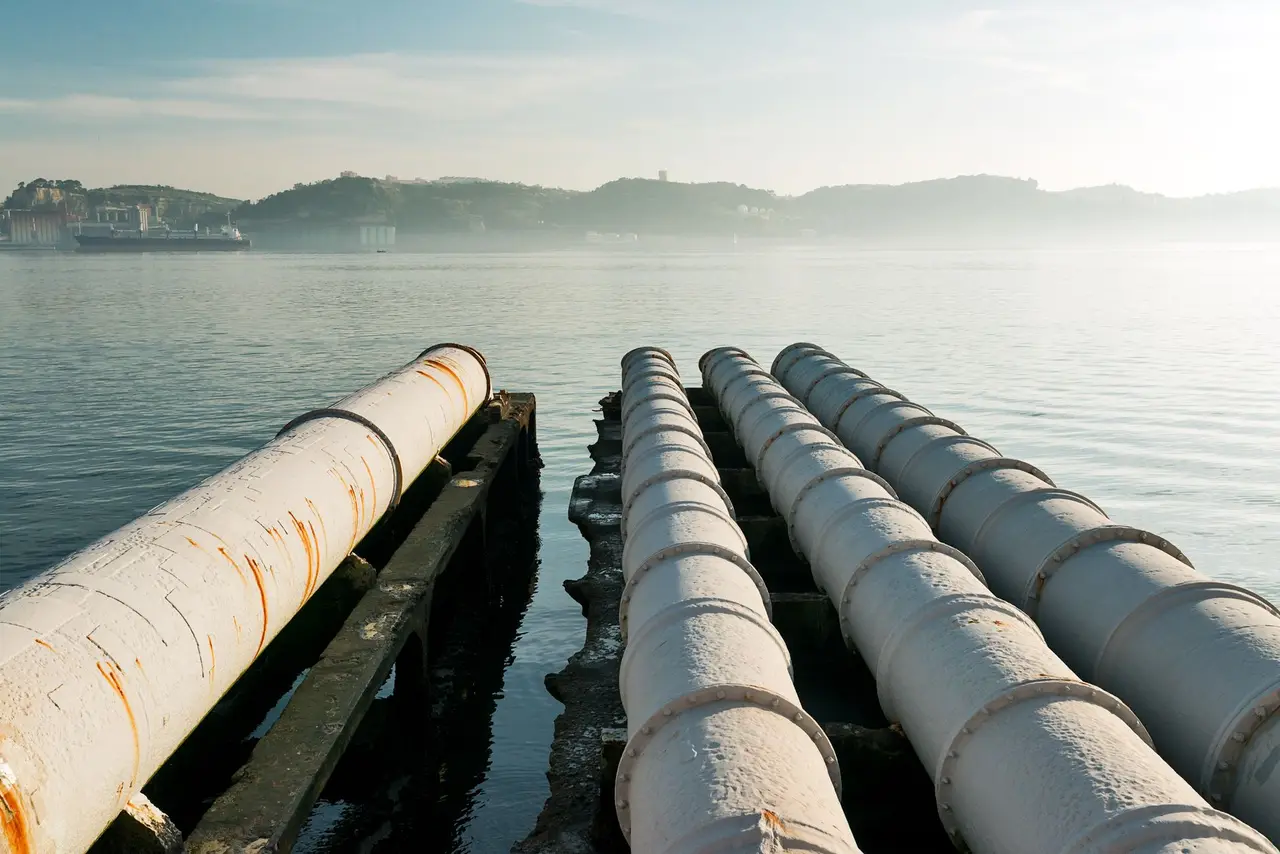
Our core service covers buried water mains, service laterals, and process piping. We pressure-test the line, run a flow meter check against your meter readings, and isolate the leaking segment before we mark it. Typical residential jobs take two to four hours and include a written report with the leak location and pipe depth.
View service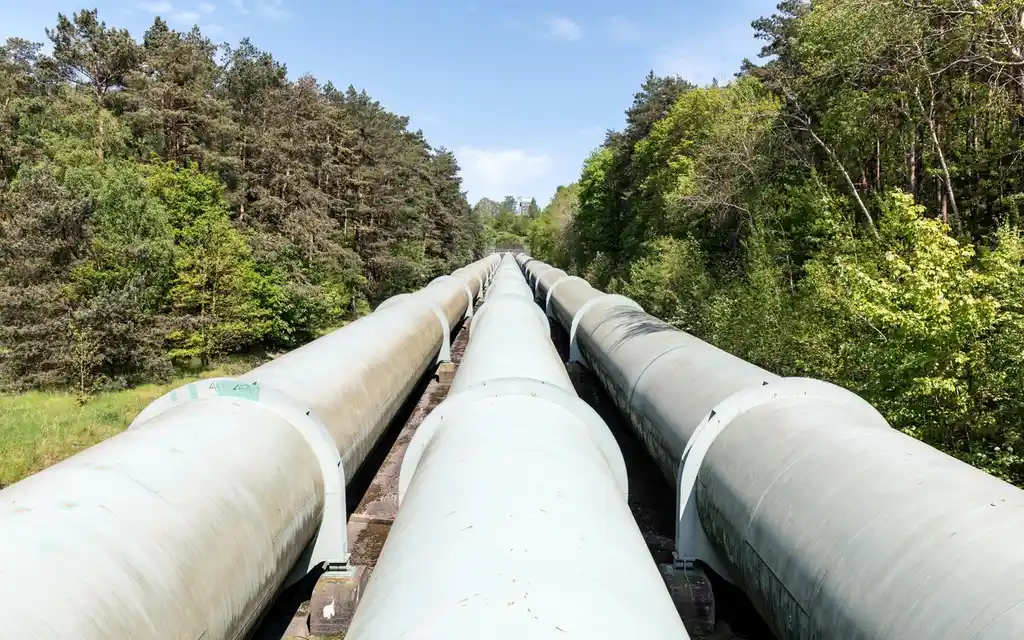
We pressurize the line and listen with ground microphones and leak noise loggers. Water escaping a pinhole or joint failure makes a distinct hiss that carries through soil and concrete, and our techs can hear it through six inches of slab. This is the fastest method for metallic pipe and most common in Downtown Casper homes.
View service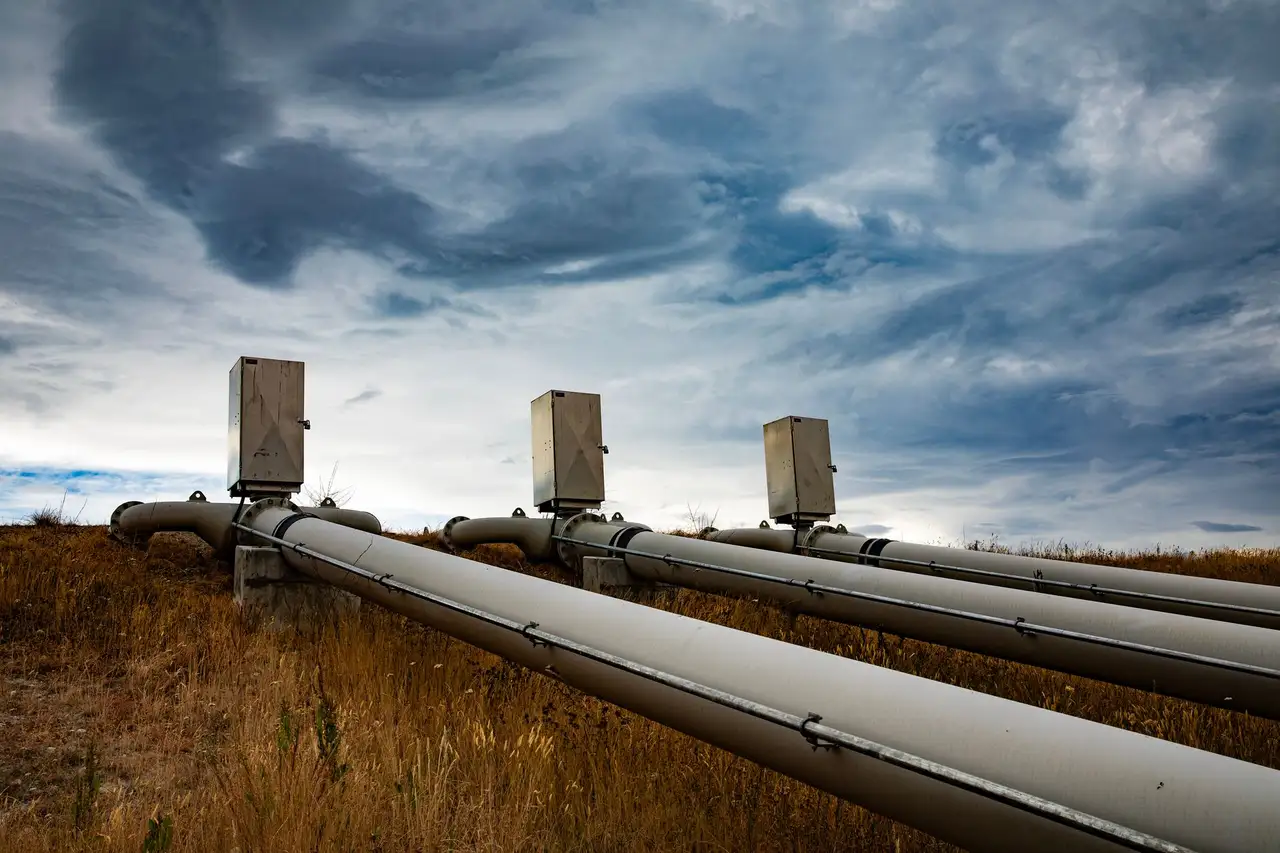
A FLIR thermal camera shows the temperature difference where water is escaping under a slab or behind a wall. We scan the suspect area, map the cool or warm plume, and mark the boundary. Best for slab leaks, radiant heat loops, and any line where you cannot hear the leak because of background noise.
View service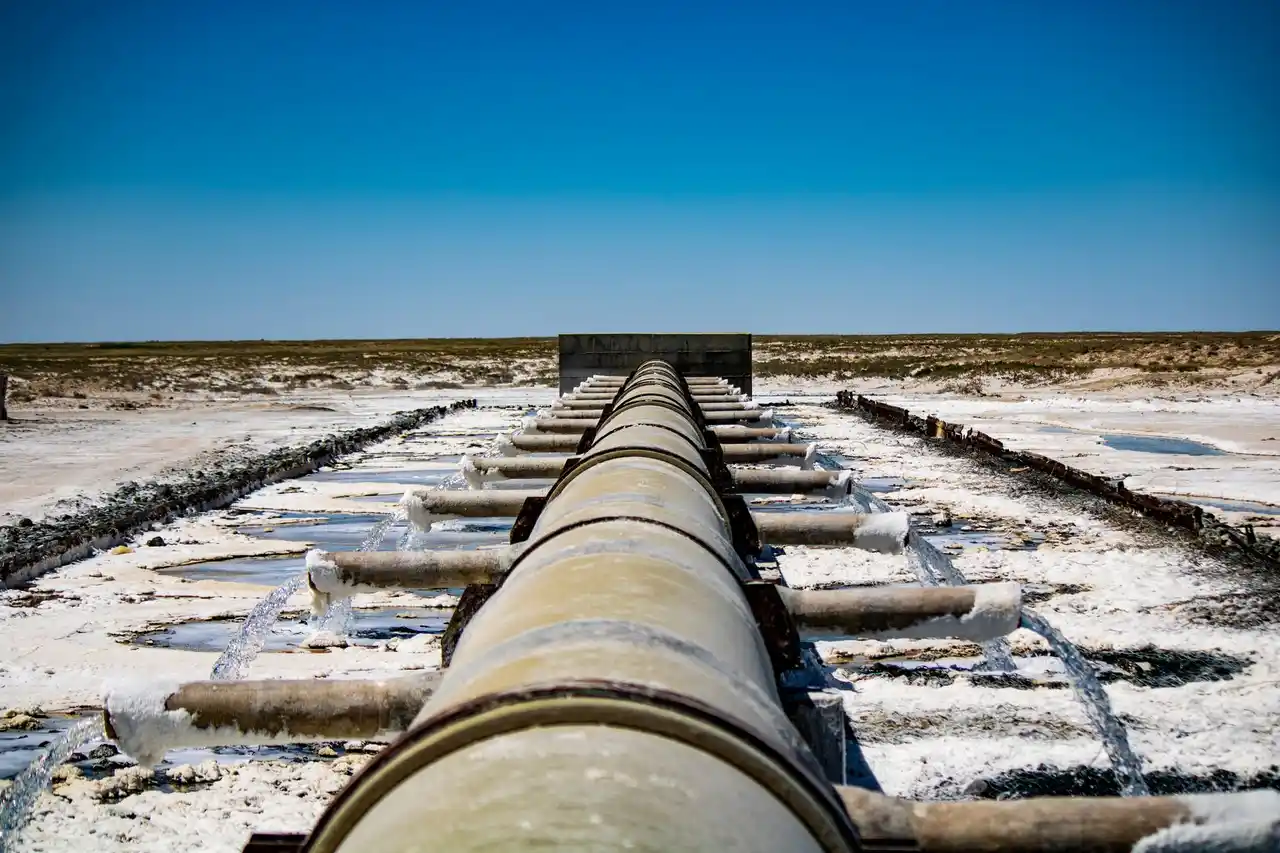
Two sensors placed on either side of a suspected leak measure the sound arrival time at each point, and the correlation unit calculates the exact distance to the break. We use Gutermann and Primayer correlators for long runs, deep mains, and any line where a listening stick alone cannot pin the spot.
View service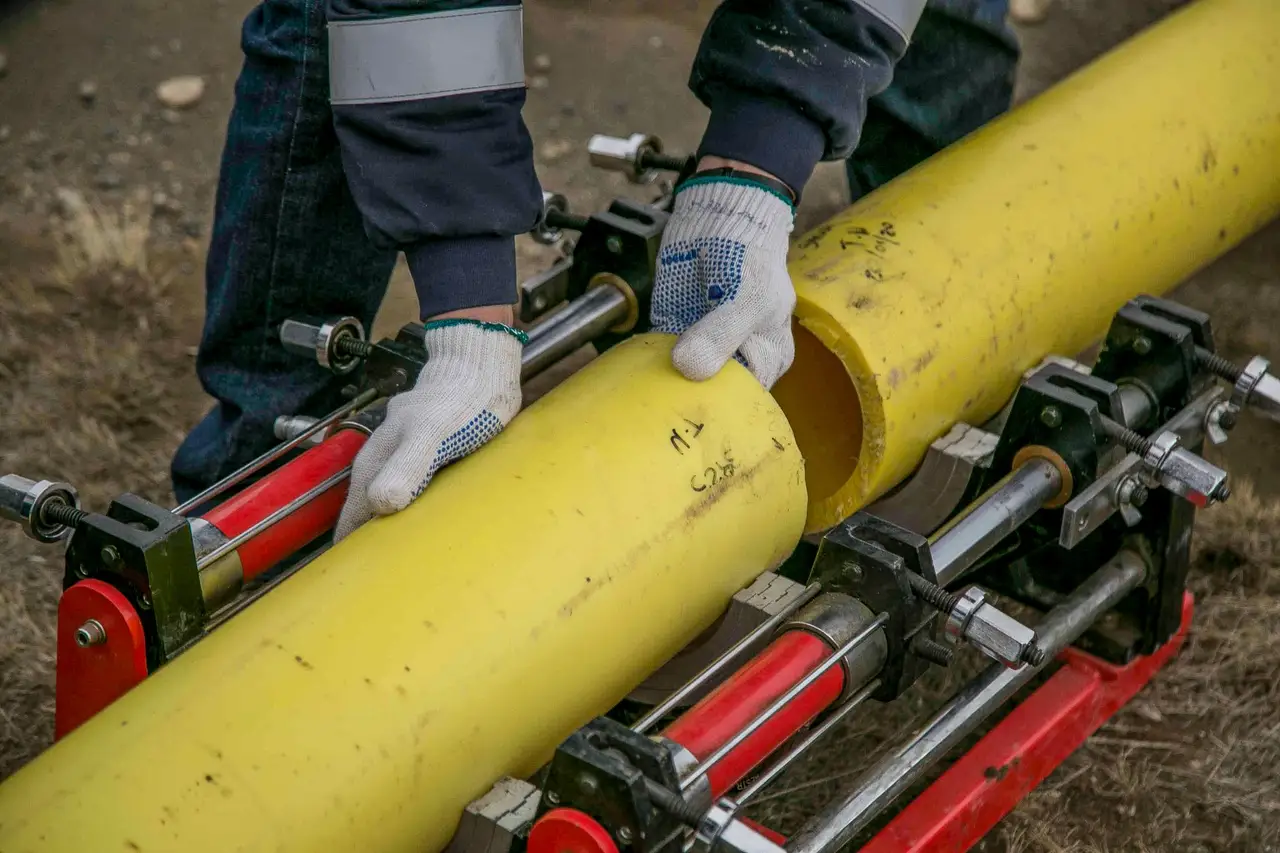
We inject a helium and hydrogen tracer gas mix into the isolated line and sweep the surface with a detector. The gas escapes at the leak and shows up on the meter, which is the go-to method for plastic pipe, low-pressure lines, and any system where acoustic signals are too faint to trust.
View serviceWe ask what changed: a spike on the bill, a wet spot, a sound in the wall, low water pressure. That tells us which tools to load and whether this is a same-day emergency or a scheduled survey.
On arrival we isolate the building, hook up pressure gauges and a flow meter, and watch the numbers. A line that will not hold pressure has a leak, and the rate of loss tells us roughly how big it is.
We sweep the line with acoustic listening devices, then confirm with correlation, thermal imaging, or tracer gas. The leak gets marked on the surface and measured for depth so the repair crew knows exactly what they are digging into.
You get a written report with the leak location, pipe material, depth, and a repair recommendation. If it is a simple joint failure, we can often clamp or patch it the same visit and re-test the line before we leave.
You call, we ask a few questions about your meter and your water bill, and we book a window. From there the job follows the same four steps whether it is a house on a slab or a commercial building with a dozen lines. You get a report at the end, not a vague verbal guess.
Anyone can dig a hole and hope. We prove the leak location before we quote the repair, and we put the findings in writing so you can hand them to your insurance adjuster or your own plumber. That is the difference between a guess and a documented leak survey.
We hold a state plumbing license in Wyoming and follow AWWA guidance on leak survey practice. Our techs carry OSHA safety compliance training and backflow prevention certification, so the survey meets the standard your water utility and your insurer expect to see in the file.
Most casper calls get a technician on site within two hours during business hours, and we run 24/7 emergency leak detection casper WY dispatch for burst lines and flooded basements. We answer the phone at 2 a.m. in January, not a call center three states away.
Our trucks carry Sewerin and SubSurface Instruments acoustic units, Xylem and RIDGID pipe locators, and General Pipe Cleaners video inspection cameras. We also stock pipe repair clamps, epoxy putty, and pipe patch kits for same-day temporary stops when a line cannot wait for a scheduled repair.
Most residential surveys run $180 to $320 for a single line, and multi-method locates on slab leaks or long runs land between $340 and $620. Commercial jobs with several lines start around $700. We quote a flat rate before we start, so the number you hear on the phone is the number on the invoice.
The one that proves the leak location before quoting the repair. Ask any company what tools they carry and whether you get a written report. We run Sewerin and Gutermann acoustic gear, FLIR thermal cameras, and tracer gas detectors, and every job ends with a documented leak location you can hand to your insurer or your plumber.
It is the process of finding where a buried or concealed pipe is losing water without digging it up. We isolate the line, pressure-test it, then use acoustic listening devices, correlation units, thermal cameras, or tracer gas to pinpoint the break. The leak gets marked on the surface and measured for depth so the repair is targeted.
Yes. We run 24/7 pipeline leakage detection casper dispatch for burst lines, flooded basements, and any leak that cannot wait until morning. Most emergency calls get a technician on site within two hours. We can shut the line down, stop the water, and come back in daylight for the full locate if needed.
Check three things: what equipment they carry, whether they give you a written report, and whether they are licensed in Wyoming. A company with only a listening stick will miss plastic pipe and deep mains. Ask if they run correlation, thermal, and tracer gas. If they cannot answer, keep calling.
These are the questions we get on the phone every week. If yours is not here, call us at +13073128103 and we will give you a straight answer, not a sales pitch.
Ask the local teamReach us at +13073128103 any time, day or night. During business hours most calls get a technician on site within two hours, and emergency dispatch runs around the clock. Tell us what changed with your water bill, your pressure, or your floor, and we will tell you what it likely is and when we can be there.