Focused arrival windows
Useful updates and clear arrival timing.
If water is pooling under your slab or your bill jumped without explanation, acoustic leak detection casper WY locates the exact break using sound, not guesswork. We serve homeowners, landlords, and property managers across Natrona County with sonic leak detection casper WY. One call, one visit, and you know where the problem is.
Useful updates and clear arrival timing.
Review the approach and price before deciding.
Equipped vehicles and respectful cleanup.
Neighbors serving neighbors with follow-through.
Every survey is a complete diagnostic visit, not a quick listen and a guess. Here is what is covered in the flat rate, and what gets quoted separately if you want us to handle the repair itself.
We walk the entire suspected run with ground microphones and acoustic listening devices, logging signal strength at each point. You get a complete map of where the noise is loudest, not just the first spot that sounds suspicious.
Two sensors and a correlation leak detector calculate the leak's distance from each sensor. We confirm with a pipe locator and mark the spot with paint so you can see exactly where the repair belongs.
Pressure gauges and flow meters confirm the line is holding pressure and show how much water is moving. This tells us whether the leak is on the supply side or the drain side before we commit to a location.
You get a plain-language writeup: pipe material, depth estimate, marked location, and recommended repair approach. Hand it to any licensed plumber and they can finish the job without exploratory digging.
For intermittent leaks that only show up when the building is quiet, we leave leak noise loggers in place overnight and review the data the next morning. This catches the leaks that a daytime sweep misses.
Share what is happening and receive a clear next step from the local team.
Acoustic leak detection casper WY is a non-invasive diagnostic method that listens for the high-frequency hiss or rush of pressurized water escaping a pipe. We press ground microphones and acoustic listening devices against the slab, yard, or wall and trace the loudest signal back to its source. Correlation leak detectors compare the noise arriving at two sensors to calculate the leak's position within inches. No digging first, no guessing, no torn-up lawn to find out where the water is coming from.
Casper's freeze-thaw swings crack joints and corrode underground pipe, and most of that plumbing sits under concrete or landscaping. That is why hidden water leaks, slab leaks, and high water bills are so common here. If you have been searching for acoustic leak detection near me casper WY, our team runs sonic leak detection in downtown Casper and across the county, usually pinpointing the break in two to four hours. We also handle 24/7 acoustic leak detection casper calls when a line lets go after hours.
We ask what you are seeing: meter spinning, wet spot, low pressure, or a bill spike. That tells us whether to bring correlation gear, thermal imaging, or both. Most calls get scheduled same-day, and emergency calls after hours go to our on-call tech.
Before listening, we verify line pressure with pressure gauges and confirm flow with flow meters. A leak only makes noise under pressure, so this step ensures the test conditions are right. Takes about 15 minutes.
We walk the suspected run with ground microphones and acoustic listening devices, logging signal strength every few feet. Leak noise loggers left in place overnight catch intermittent leaks that only show up when the system is quiet. This is the core of the survey.
Two sensors on either side of the suspected leak feed a correlation leak detector, which calculates the distance to the break. We confirm with a pipe locator, then mark the spot with paint. You see the exact repair point before anyone cuts.
We give you the marked location, the pipe material, and a written summary of findings. If you want us to handle the repair, we quote it on the spot. If you use your own plumber, they get a precise target instead of a scavenger hunt.
Ground microphones and listening sticks that pick up leak noise through concrete, soil, and asphalt. We use them for the initial sweep and to confirm the loudest point on the run.
Two-sensor systems that measure the time delay between leak noise reaching each sensor and convert it to distance. This is the step that turns a general area into a marked spot.
Infrared scans that show temperature differences where hot water lines leak under slab. We use thermal as a cross-check on acoustic findings before marking a repair point.
Electromagnetic locators that trace the path and depth of buried metal and plastic lines. They keep the acoustic sweep on the pipe instead of on a parallel utility.
Battery-powered sensors left in place overnight to record leak noise when the building is quiet. They catch intermittent leaks that a daytime sweep misses.
Confirm the line is under pressure and show how much water is moving. Without pressure, a leak makes no noise, so this step validates the whole survey.
We follow American Water Works Association practice for acoustic surveying: pressure validation, systematic sweep, correlation, and confirmation. It keeps the process repeatable and the findings defensible for insurance or municipal records.
Two sensors on either side of the suspected leak feed a correlator that calculates the distance to the break. On metal and plastic pipe runs up to several hundred feet, this places the leak within a few inches.
When a line will not hold pressure, we introduce a helium/hydrogen tracer gas mix and sniff along the run. It is the fallback that confirms a location when acoustic signals are too faint to trust.
We note soil conditions, pipe material, and corrosion patterns against NACE International guidance. That context tells you whether you are fixing one leak or looking at a line that needs replacement.
We pressurize the system, sweep the service line and interior runs with ground microphones, and correlate the loudest signal. If the leak is under slab, we mark the spot and confirm with a thermal scan before anyone cuts concrete. You get a marked repair point and a written summary, usually within the same visit.
We isolate the affected branch, log pressure and flow, and run an acoustic sweep along the run. Correlation gear narrows the break to a few inches so the repair crew opens one section of floor or pavement. The building stays open while we survey, and the repair is targeted instead of exploratory.
We leave leak noise loggers in place overnight, review the data the next morning, and correlate the signal to a location. Intermittent leaks that hide during the day show up clearly on the overnight log. You get a confirmed location and can schedule the repair without disrupting the tenant.
We isolate the zone, pressurize it, and sweep the run with acoustic gear. Pipe locators trace the line so we know exactly where to mark. If the line will not hold pressure, we switch to tracer gas. One small dig instead of trenching the whole yard, and the zone is back online the same week.
Casper's freeze-thaw cycle is hard on underground pipe. Lines that sit in expansive clay soil shift every spring, and joints that held fine in October can weep by February. Most of the housing stock in Downtown Casper and the Old Yellowstone District was built with galvanized or copper service lines that are now well past their design life, so joint failures and pinhole corrosion are common. We adjust our acoustic sweep for frozen ground, which dampens leak noise, and we lean on overnight loggers when the daytime noise floor is too high. If you need sonic leak detection in downtown Casper, we can usually schedule the same day. For rural Natrona County addresses, we bring pipe locators because utility maps are often incomplete. Every survey follows AWWA practice and OSHA safety rules for excavation and confined space.
Older commercial and residential buildings with copper and galvanized service lines. Slab leaks and joint failures are the most common calls we get here.
Mixed-use buildings where supply lines run under pavement and old foundations. Acoustic sweeps here often need correlation gear because the noise floor is high.
Rocky soil and variable depth make pipe locators essential before we mark a repair point. Leak noise travels differently through rock than through clay.
Newer subdivisions with PEX and PVC runs. Leaks here are often at fittings and manifolds, which transmit a sharper acoustic signal than metal pipe.
Frozen soil dampens leak noise and can mask a signal during a surface sweep. We compensate with overnight loggers and longer correlation baselines.
Soil movement stresses pipe joints and accelerates corrosion. We note soil conditions during the survey so you know whether a repair or a line replacement makes more sense.
A high water table can hide a leak's surface evidence and confuse flow meter readings. We rely on acoustic and correlation data rather than wet spots alone.
Galvanized pipe corrodes from the inside and leaks at joints. Acoustic signals from these leaks are lower frequency, so we adjust our filters accordingly.
A homeowner in Downtown Casper had a water bill that doubled over two months and a warm spot near the hallway. No visible puddle, no obvious source. Two other plumbers had suggested opening the whole slab to find it.
Our acoustic sweep and correlation gear marked a spot the size of a dinner plate. The repair crew opened one square of concrete, replaced a pinhole section of copper, and patched it. The bill dropped back to normal the next cycle.
Maintenance: We recommended an annual meter check each spring after the thaw. If the meter spins with everything off, call us before the next billing cycle.
A property manager had low pressure on one wing of a mixed-use building. No wet spots, no visible break. The building stayed open but tenants complained about showers and sinks.
An overnight logger caught the leak noise, and correlation placed it 30 feet out under the parking lot. We marked one square of asphalt, the repair crew cut it, and the joint failure was fixed in a day. Pressure returned to normal.
Maintenance: We suggested a pressure log at the meter twice a year. A slow drop between logs is the earliest sign of a new leak.
A homeowner had a soggy patch in the yard and one irrigation zone that would not hold pressure. The line was PEX, buried about 18 inches, and the yard had been trenched twice before with no luck.
We isolated the zone, pressurized it, and swept the run with acoustic gear. Correlation marked the break within a few inches. One small dig, one coupling replaced, and the zone held pressure the same afternoon.
Maintenance: We recommended checking the zone pressure each spring before the first irrigation run. A slow drop means a fitting is starting to fail.
Most of the calls we get start with a symptom, not a location. These are the four problems acoustic testing solves fastest.
A pinhole at 60 psi can waste thousands of gallons a month and quietly rot the soil under your foundation. By the time you see surface water, the damage is already expensive. We sweep the service line and interior runs with acoustic gear, isolate the loudest signal, and mark the break. Most customers see the meter settle on the next billing cycle after the repair.
A hot water slab leak heats the concrete from below and can warp flooring, crack tile, and feed mold in the subbase. Ignoring it turns a pipe repair into a flooring replacement. We confirm the leak with a FLIR thermal camera, then pinpoint it acoustically so the repair crew opens one small section. You get a marked spot and a pipe material call before anyone cuts.
Pressure loss usually means a break is bleeding volume before it reaches the fixture. Left alone, it can escalate to a full line failure and a shutoff at the worst possible time. We check pressure and flow at the meter, then run an acoustic sweep along the affected branch. Correlation gear narrows the break to within inches so the repair is targeted, not exploratory.
That noise is pressurized water escaping somewhere in the system. It will not stop on its own, and the longer it runs, the more soil and foundation it undermines. We use acoustic listening devices and overnight loggers to catch the noise pattern, then correlate the signal to a location. You get a marked spot and a repair plan the same week.
$250 - $850 depending on scope
Typical 2026 pricing for a residential acoustic survey in Casper runs $250 to $550. Commercial and municipal jobs price higher because of line length, access, and the number of sensors required. The survey fee is flat rate and covers the full sweep, correlation, and a marked repair point. If we cannot find the leak, you do not pay for the survey. Repair work is quoted separately once we know the pipe material and depth. That is what makes our affordable sonic leak detection casper WY pricing straightforward: one number for the diagnosis, one number for the fix.
You are paying for a precise location, not a guess. One marked spot saves hundreds of dollars in unnecessary demolition and days of repair work. If we cannot find the leak, the survey is free.
A short interior run takes less time to sweep than a 300-foot service line under a driveway. Access matters too. A clear yard is faster than a finished basement with a dropped ceiling.
Metal pipe transmits leak noise differently than PEX or PVC, and deeper lines need more correlation baseline. We adjust filters and sensor spacing accordingly, which affects survey time.
A leak that runs constantly shows up on a daytime sweep. An intermittent leak may need overnight loggers, which adds a second visit and a data review the next morning.
Commercial buildings have more branches, higher pressure, and more background noise. That means more sensors and a longer survey, which is why commercial pricing starts higher.
A burst line at 2 a.m. in January gets an on-call tech and a priority slot. Emergency response carries a higher rate than a scheduled daytime survey.
Our technicians are trained on Sewerin, Gutermann, HWM, and Primayer acoustic platforms, and we hold Wyoming state plumbing licensing plus backflow prevention certification. We work to AWWA leak survey practices and stay current on NACE International corrosion guidance, because pipe failure in Casper is usually a corrosion story first. We have surveyed slab-on-grade homes, mobile home parks, commercial irrigation loops, and municipal service lines across Natrona County. That range matters: the leak that sounds obvious under a downtown sidewalk sounds completely different under a frozen yard in February.
My water bill doubled in two months and I could not find a wet spot anywhere. The crew swept the whole slab with their listening gear and marked a spot under the hallway within an hour. My plumber opened exactly there and found a pinhole in the copper. No wasted concrete, no guessing.
I manage four rentals and one of them had a leak I could hear but not locate. They used correlation gear and found it 30 feet out in the yard, right where the service line met the main. Fixed it the same week. The tenants stopped calling me about the noise.
We had a commercial building with low pressure on one side and no visible leak. Their tech ran an overnight logger and caught it. Turned out to be a joint failure under the parking lot. They marked it, we cut one square of asphalt, and the repair was done in a day.
Most residential acoustic surveys in Casper run $250 to $550 in 2026, depending on line length and access. Commercial and municipal work prices higher because of scale. The survey fee covers the full sweep, correlation, and a marked repair point. If we cannot find the leak, you do not pay for the survey. Repair work is quoted separately once we know the pipe material and depth.
Sonic leak detection uses microphones and correlation sensors to hear pressurized water escaping a pipe. Water forced through a crack or joint creates a distinct high-frequency noise, and our gear isolates that frequency from background sound. In Casper, where most service lines sit under slab or frozen ground, it is the fastest way to locate a break without excavation. It works on copper, steel, PEX, and PVC.
Yes. Correlation leak detectors place the break within a few inches on metal and plastic pipe runs up to several hundred feet. Accuracy drops only when the pipe is not under pressure or the leak is intermittent. That is why we use overnight leak noise loggers on stubborn cases. On a typical Casper slab leak, we mark a spot the size of a dinner plate, and the repair crew opens exactly there.
Casper Leakage Fix Pros runs acoustic surveys across Natrona County, including Downtown Casper and the Old Yellowstone District. We cover ZIP codes 82601, 82604, and 82609, plus surrounding rural addresses. Call +13073128103 and we will tell you on the phone whether acoustic testing fits your symptoms or whether thermal imaging or tracer gas is the better first move.
Not seeing your question? Our local team can help you understand urgency, scheduling and what to expect.
Ask the local team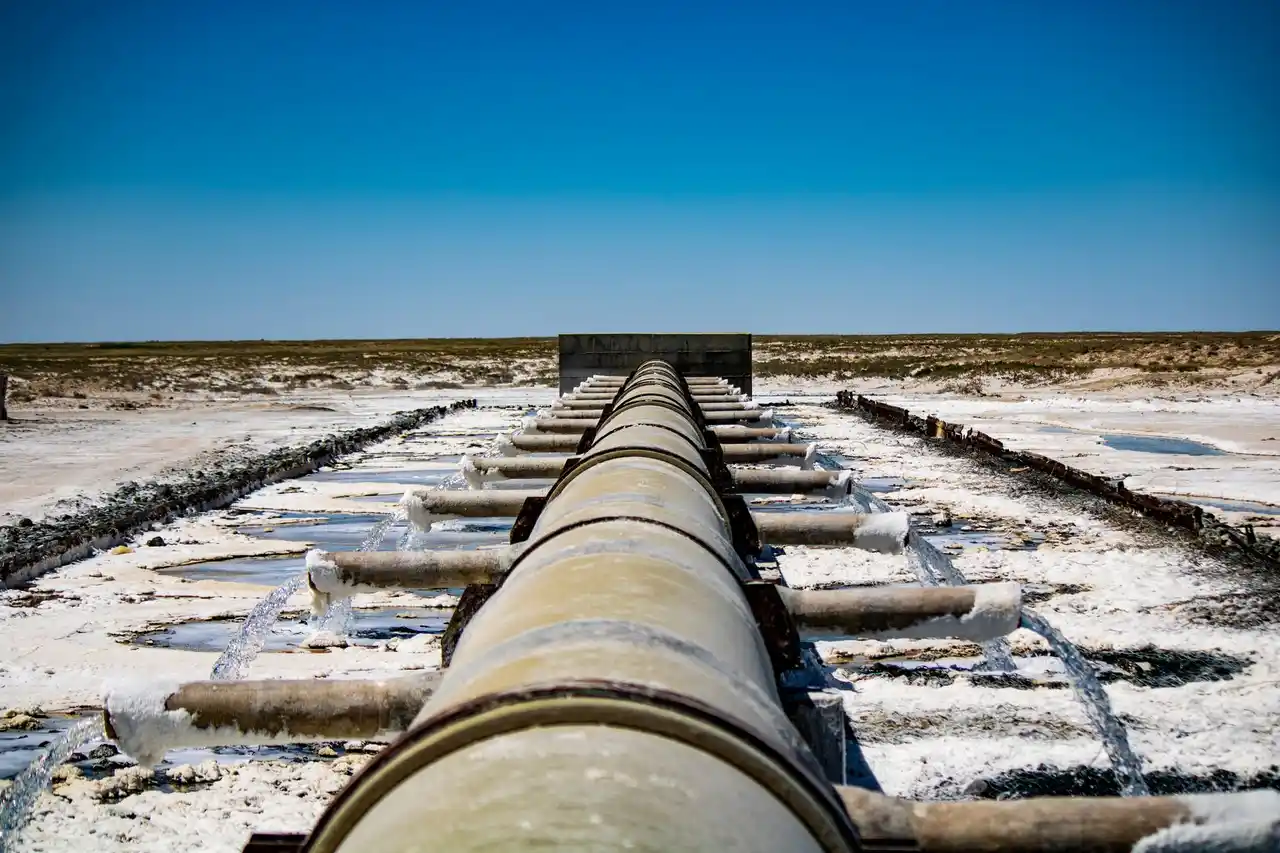
When a leak is on a long underground run, we combine acoustic listening with pressure and flow data to narrow the section before we ever put a shovel in the ground. It is the broad survey that feeds a precise acoustic pinpoint.
View service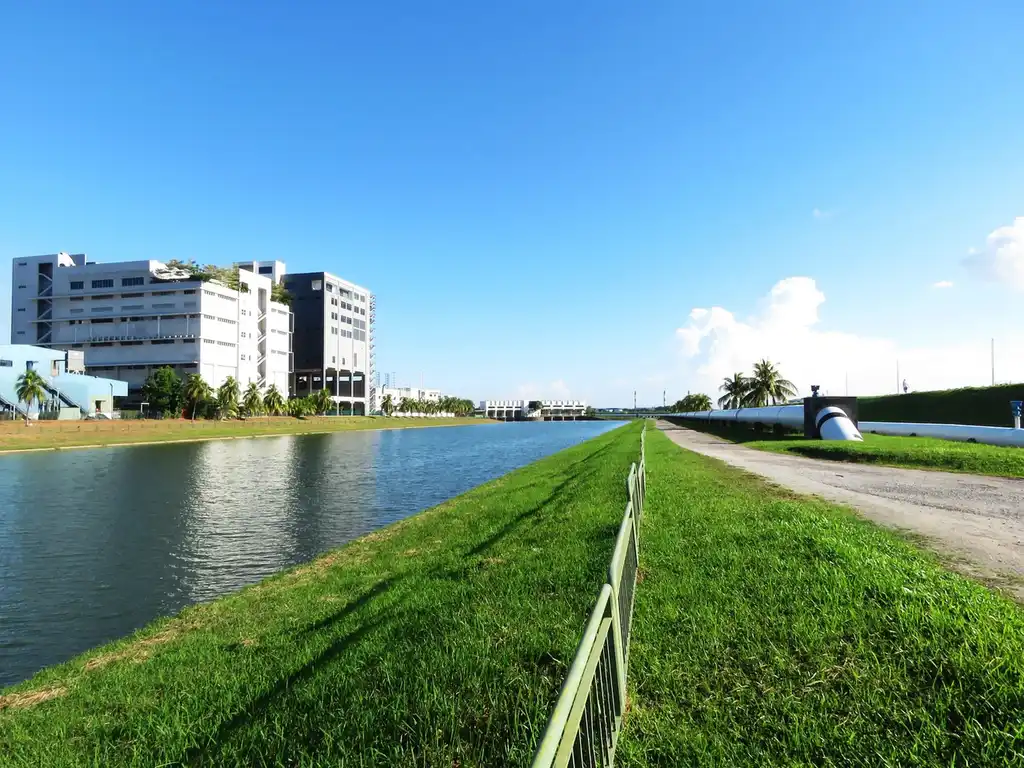
FLIR thermal cameras show temperature differences where hot water lines leak under slab. We pair thermal scans with acoustic listening so you get both a visual and an audible confirmation of the same leak location.
View service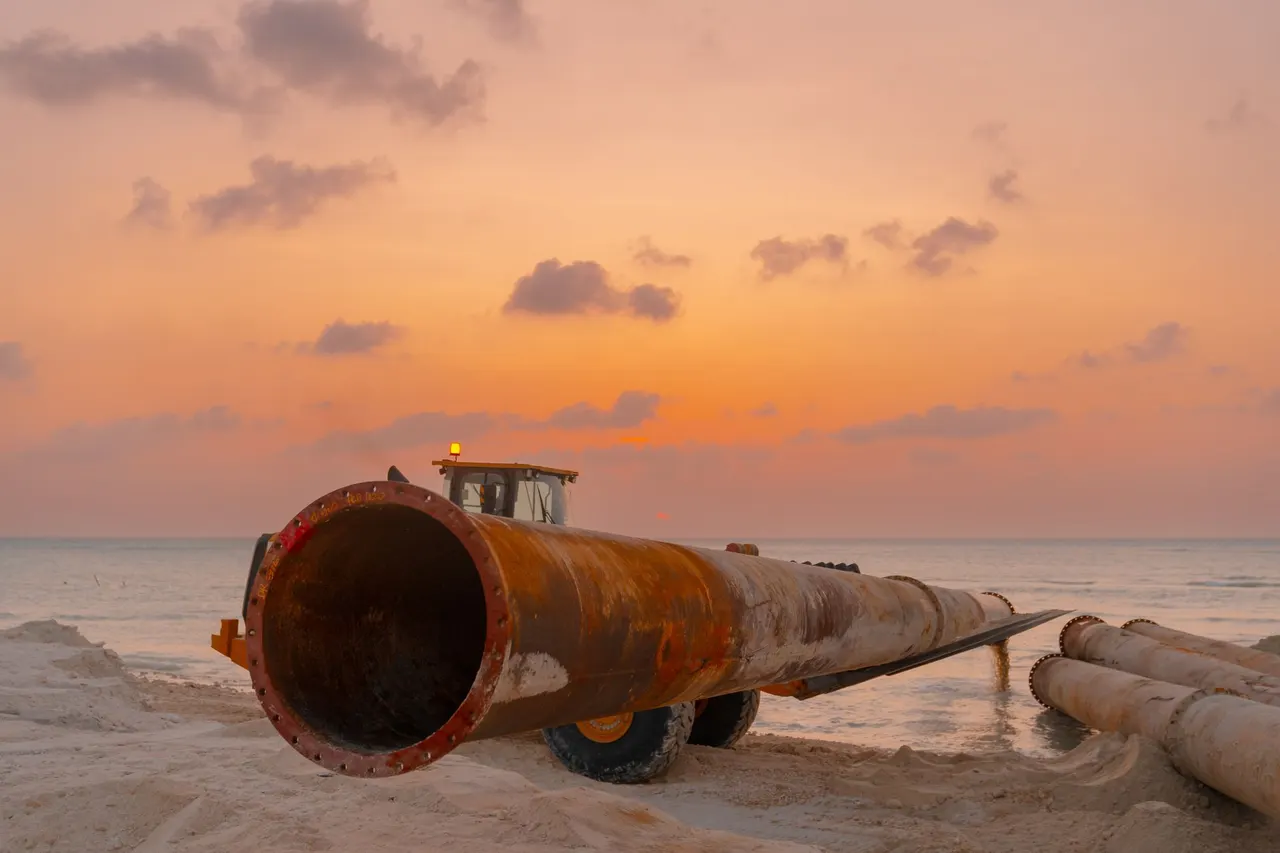
Two sensors, one calculation. Correlation leak detectors measure the time delay between leak noise reaching each sensor and convert it to distance. This is the step that turns a general area into a marked spot within inches.
View service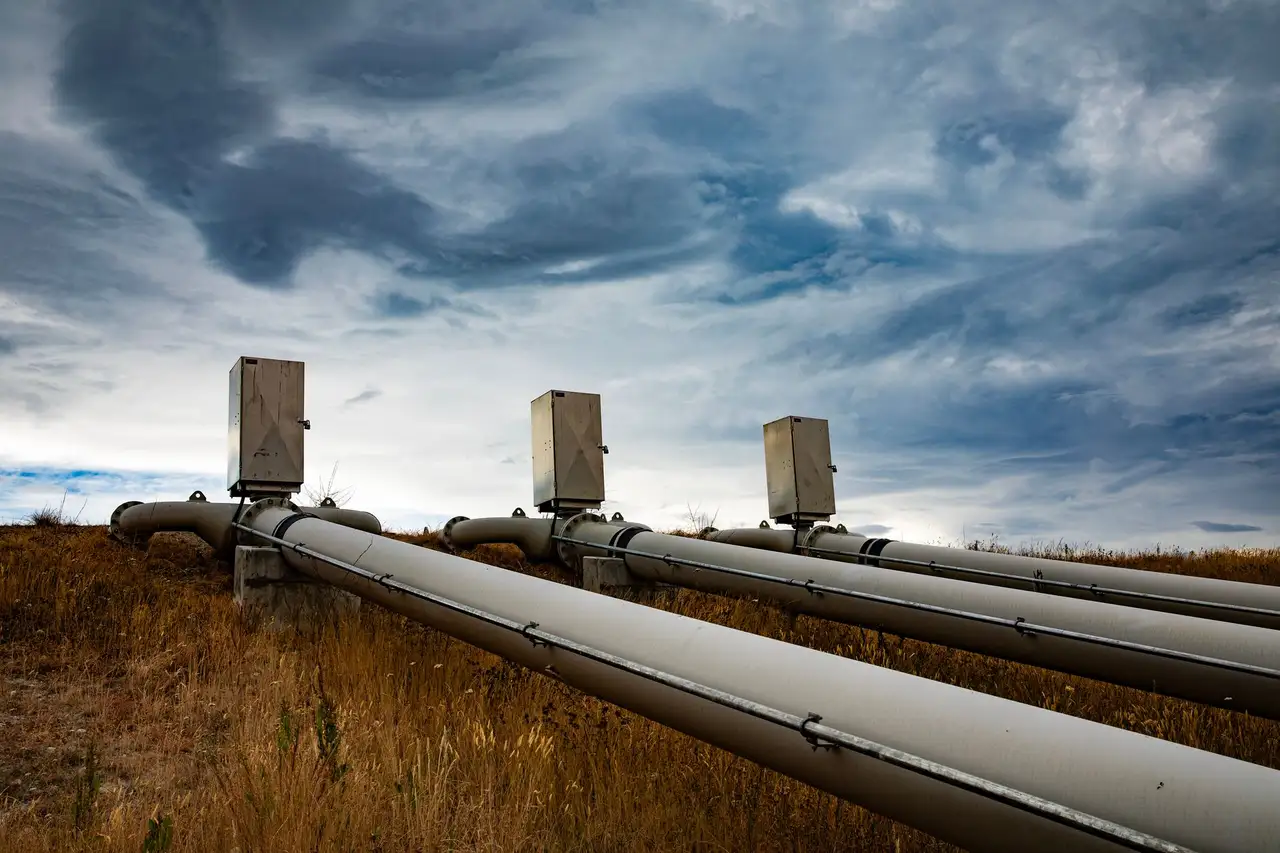
For lines that will not hold pressure, we introduce a tracer gas (helium/hydrogen mix) and sniff for it along the run. It is the fallback when acoustic signals are too faint, and it pairs well with an acoustic survey on the same visit.
View serviceReach us at +13073128103 any time, day or night. During business hours most calls get a technician on site within two hours, and emergency dispatch runs around the clock. Tell us what changed with your water bill, your pressure, or your floor, and we will tell you what it likely is and when we can be there.